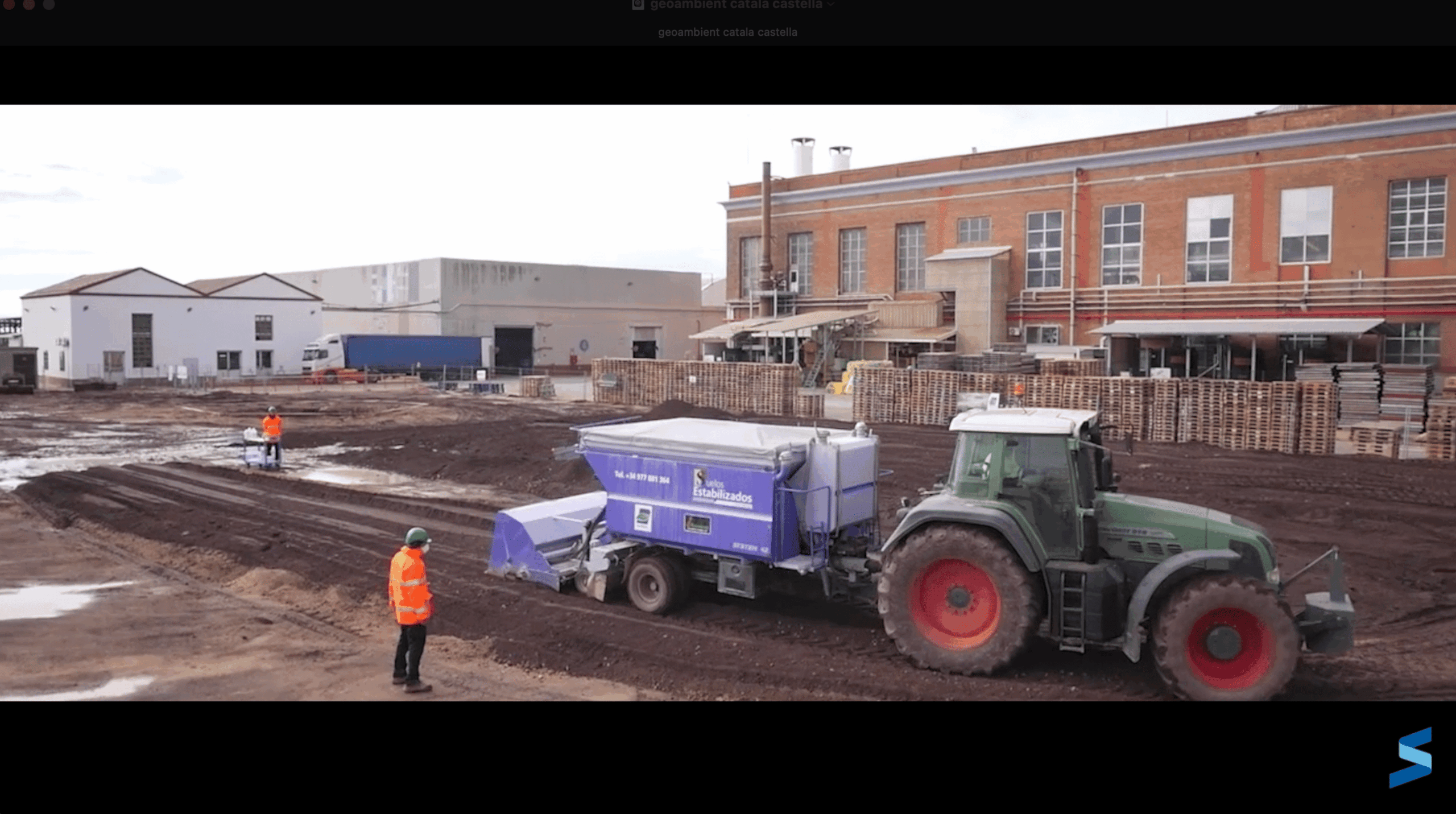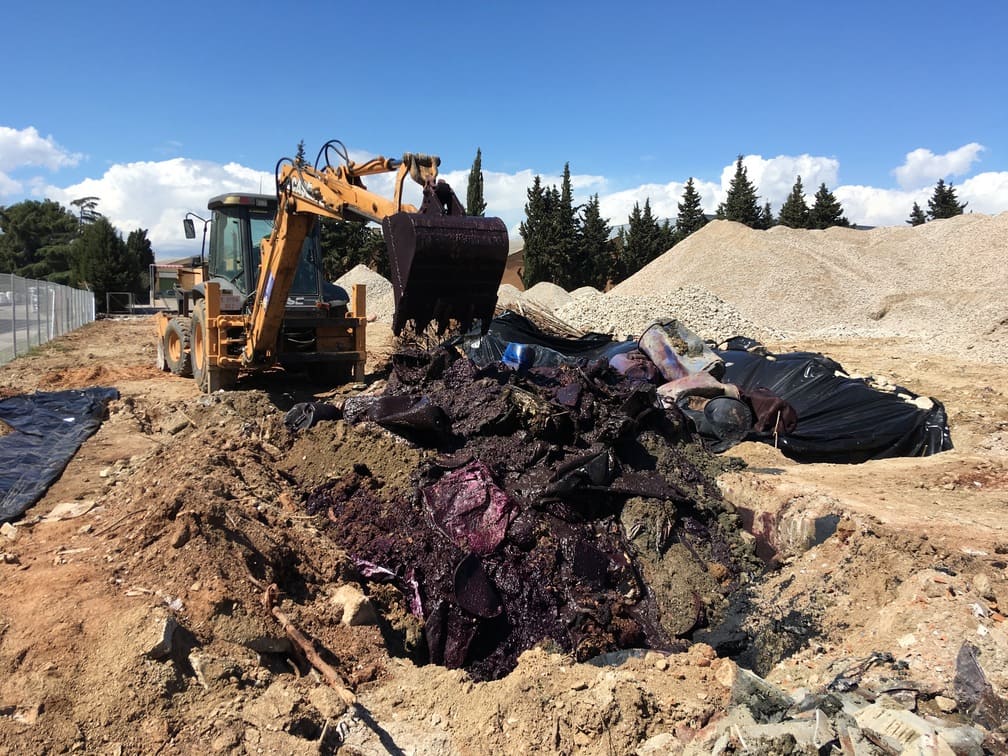
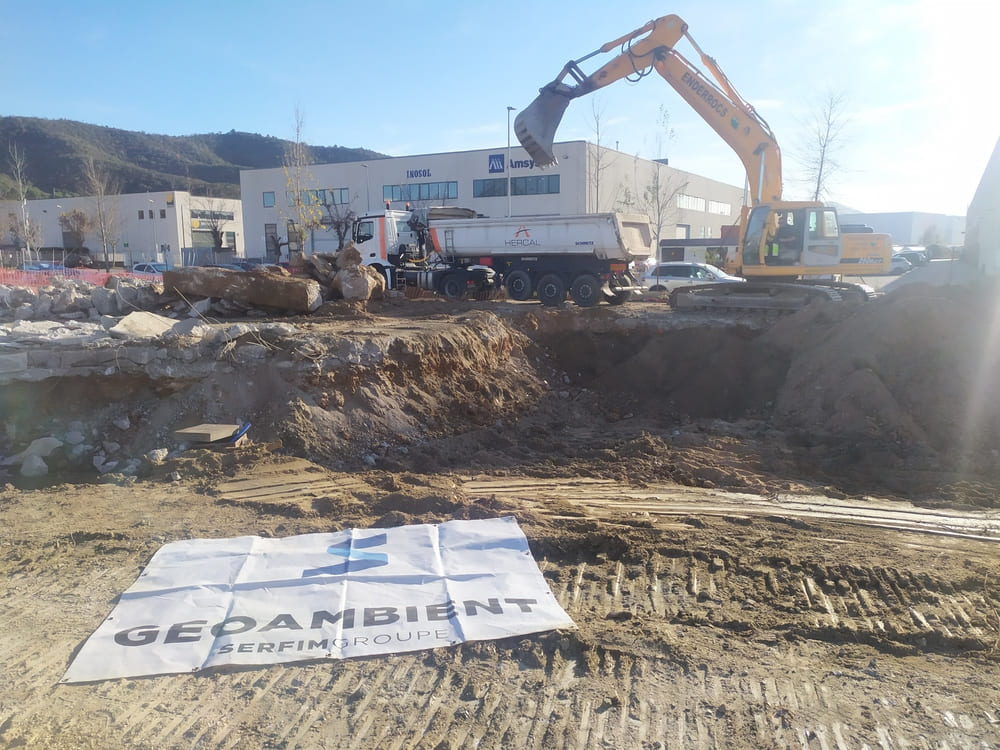
The main area of work for GeoAmbient is contaminated soils. In this regard, we specialize in decontaminating the subsurface by applying different techniques.
GeoAmbient can apply everything from the most classic and proven methodologies to the most innovative ones, thanks to its more than 20 years of experience in the sector.
To this end, we have our own laboratory and an R&D department to accurately determine the feasibility of each treatment, at both laboratory and pilot scales, before applying them in the field.
Among other services in this area, we have a unit dedicated to the design and construction of treatment units, which allows us to tailor treatment systems to the specific characteristics of each environment, contaminant, and site with maximum efficiency.
One of our services consists of preparing baseline reports on subsurface quality to assess the environmental status of the subsurface. These subsurface quality assessments are carried out in accordance with Directive 2010/75/EU on industrial emissions for the integrated prevention and control of pollution (IED), transposed into the Spanish regulatory framework by Law 5/2013.
Among other objectives, the Baseline Reports must enable the characterization of the potentially polluting activity and the subsurface, in order to establish a periodic monitoring and control program that allows tracking the quality of the subsurface over the years of activity, until cessation.
Baseline reports are prepared at the time of obtaining the environmental activity license, as well as at the moment of ceasing the activity or making a substantial change or renewal.
Do not hesitate to consult us about your case for advice and guidance in decision-making.
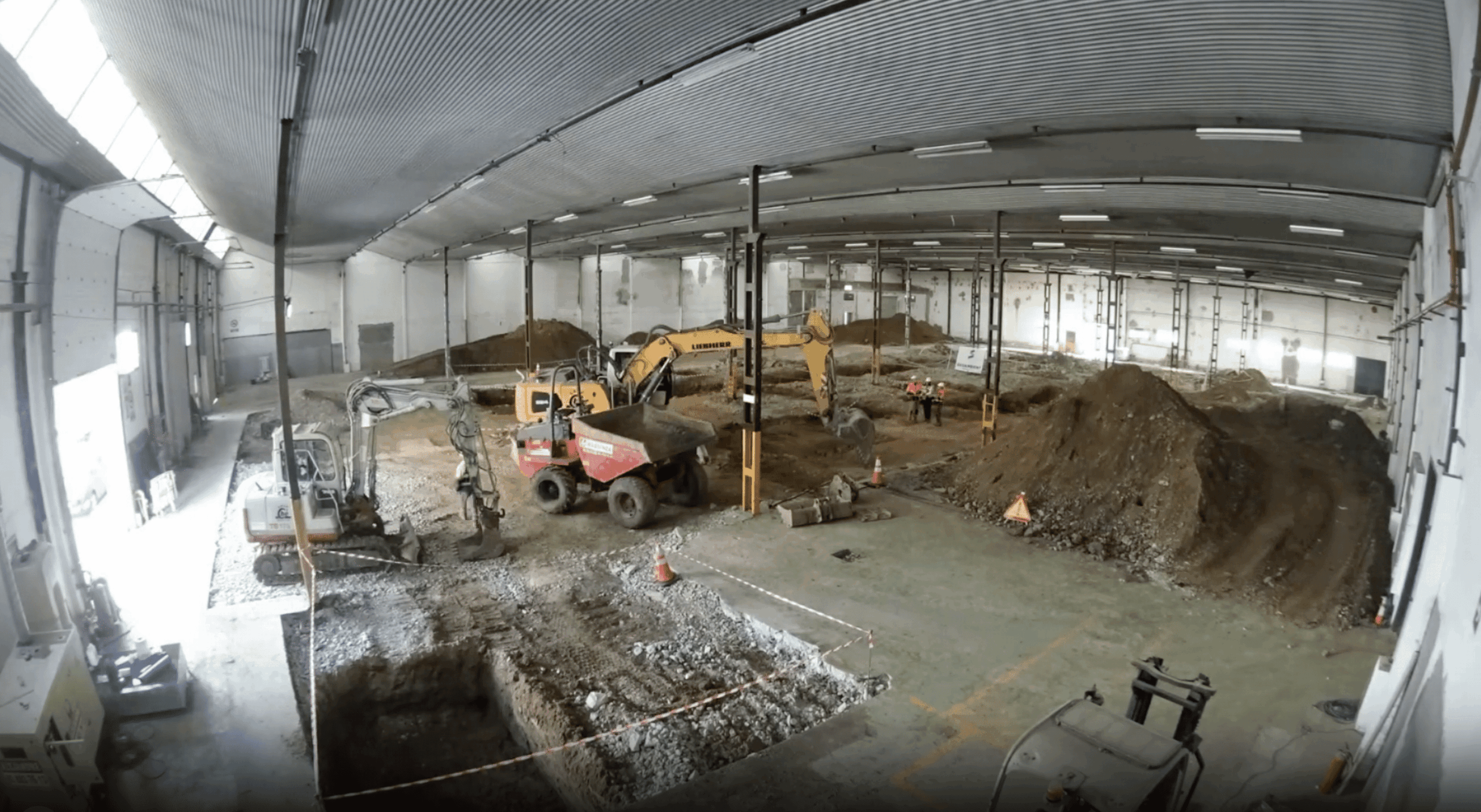
Selective excavation with chemical oxidation in soils.
Due to a sale and purchase operation, it was necessary to carry out a subsurface decontamination plan at a former chemical plant in Sant Adrià del Besòs, Barcelona.
The earthworks were carried out indoors, respecting the existing building, to treat contamination by VOCs, PAHs, and some heavy metals detected in subsurface soils, with the aim of valorizing in situ the maximum possible volume of contaminated soils.
The work took 2 months to treat 1,200 m³ of contaminated soils, achieving a 91% reduction and valorizing 46% of the soils.
Containment, product recovery, delimitation, and action.
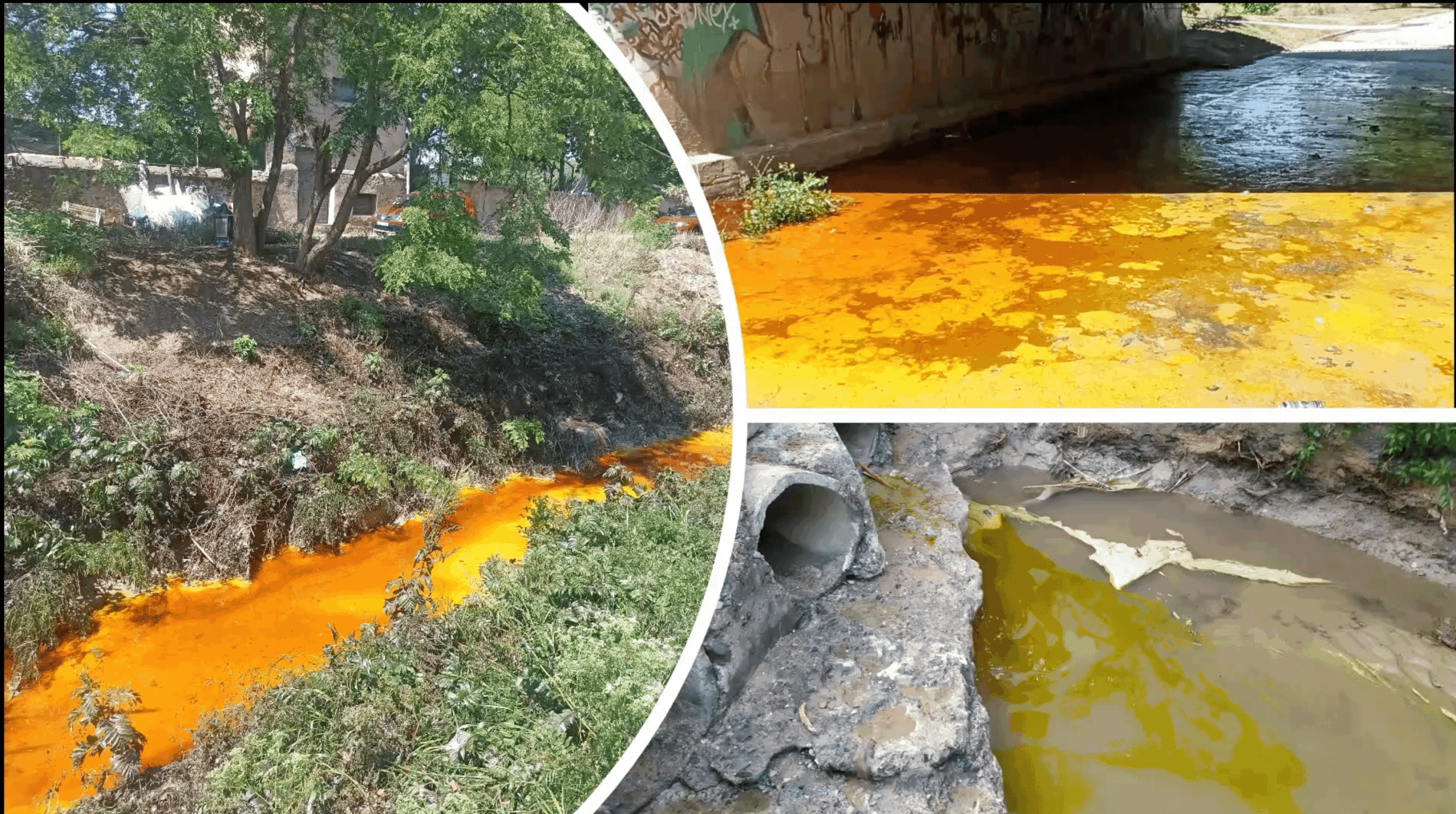
After an accident at a vegetable oil refinery, an emergency intervention was carried out to mitigate the effects on the environment and third parties.
GeoAmbient deployed all necessary resources to minimize the impact and recover the 5 km of affected stream beds in just over 6 weeks.
In total, more than 4,250 tons of soil were excavated, of which 45% were valorized after biological treatment.
Subsequently, the entire area was rebuilt, rehabilitated, and naturalized to restore the river flow and the usual biodiversity.
An abandoned diesel tank contaminating a parking lot.
Hydrocarbon leaks in the subsurface from an abandoned diesel tank were affecting the air quality in a garage of a homeowners’ association in Lleida.
GeoAmbient advised a law firm during a 3-year legal process to obtain a favorable ruling for the subsurface decontamination plan, which included the removal of the diesel tank, the origin and source of the detected contamination, as well as the waterproofing of the garage walls to ensure indoor air quality.
In total, more than 330 tons of soil were excavated, of which 70% were valorized in situ after selective excavation.
Finally, the urban area was rebuilt, rehabilitated, and landscaped, recovering and improving the original condition.
3 in 1: chemical stabilization of heavy metals, asbestos removal, and fuel extraction from the subsurface.
GeoAmbient developed an environmental rehabilitation plan over 2 years at an operational chemical plant in Malgrat de Mar, Barcelona.
A pioneering and innovative technique allowed the chemical stabilization of heavy metals in an accumulation of 16,500 m³ of pyrite ash slag spread over more than 2.5 hectares. At the same time, asbestos was removed from 2,750 m³ of soil using another innovative process, and finally, 8,000 liters of fuel were recovered from the subsurface in the area of the old boilers