
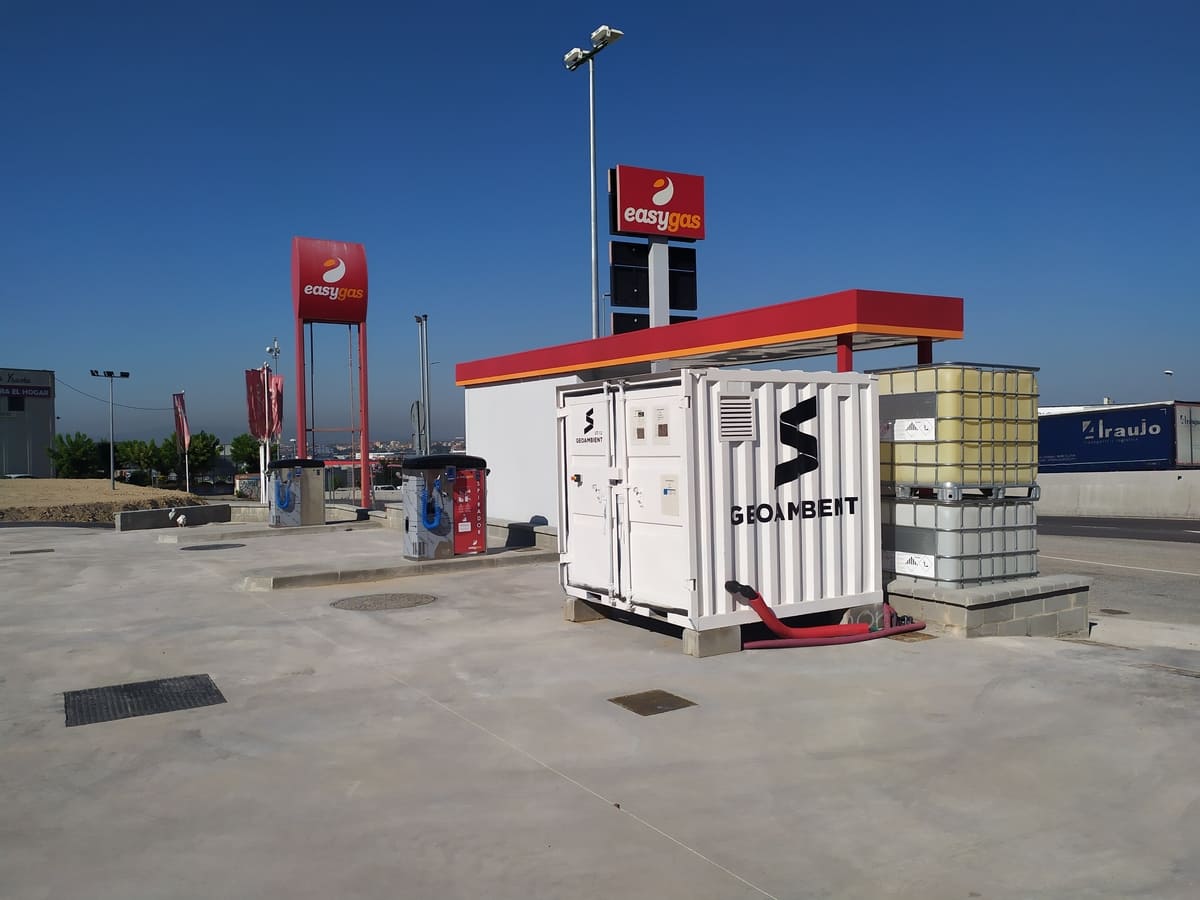
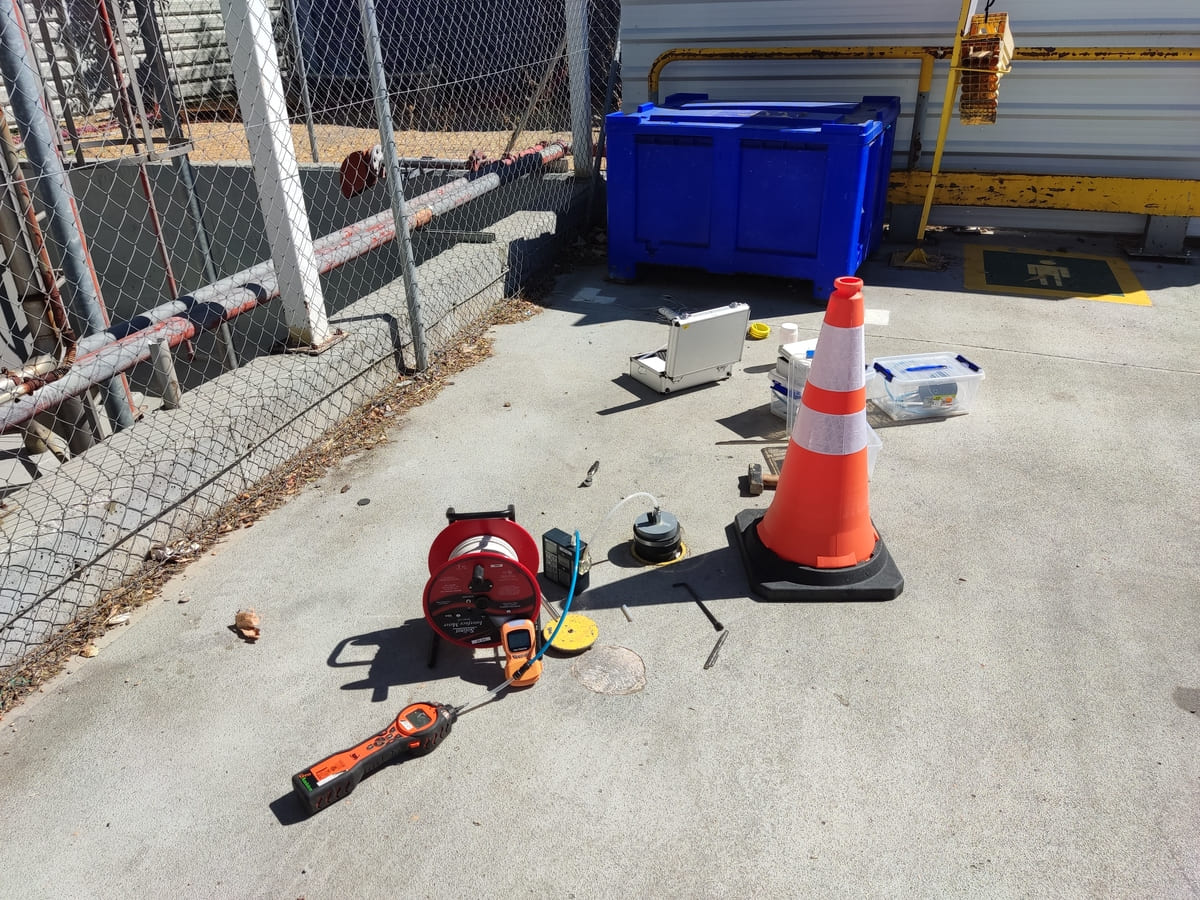
Context and Problem Origin: • March 2022: detection of free-phase hydrocarbons at control points P1, P7, P8, and P10 • Probable origin: historical spills in the tank bund and leaks due to poor sealing Actions Undertaken: Monitoring and Follow-up o VOC readings and piezometric level measurements o Quarterly analyses required by ACA o Monitoring and compliance with RQs issued by ACA and ARC o Analytical campaigns: August and November 2024 ▸ Exceedance of indicative levels (NI) for TPHs, benzene, and BTEX o Millimetric concentrations detected at P1 and P8 (Nov. 2024 and Jan. 2025)
Remediation of soils contaminated by gasoline and diesel at a service station in Madrid
Project Description: This project investigates supplementary or additional remediation methods to those most used historically, mainly at gas stations, aiming to increase the extraction percentage of the free phase present in the subsoil. In this case, the study tests how the pressure injection of a specially designed foam or gel helps to increase the extraction rate of the free phase being recovered through MPE. An analysis will be conducted to determine which of the two solutions recovers a greater amount of additional liquid hydrocarbon in order to identify the best remediation strategy. Project Type: Conceptual Framework: Project Phases:
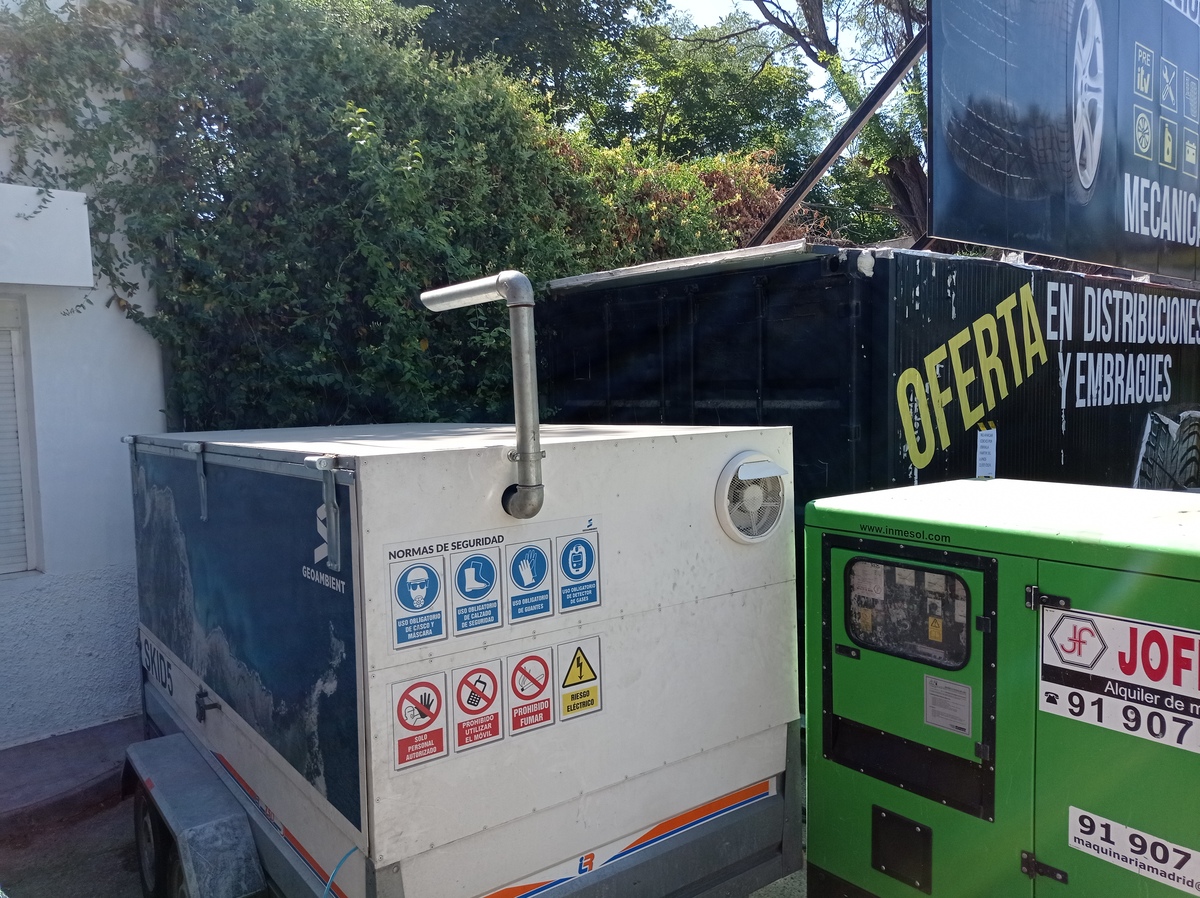
Decontamination using SVE (soil vapor extraction) and pump and treat in Gavà
Project Type: SVE (soil vapor extraction) decontamination and pump and treat. Conceptual Framework: Evolution: Rapid reduction of concentrations:

Treatment of the saturated zone due to the presence of free phase and chemical compounds dissolved in water
Project Type: Decontamination of the saturated zone due to the presence of free-phase hydrocarbons and dissolved chemical compounds (hydrocarbons and organochlorines), through a selective pumping system equipped with skimmers for free-phase extraction and standard pumping for dissolved compounds. The treatment train includes decantation, phase separation, air stripping, activated carbon (water and air), and final water treatment with zeolites. The process is complemented by a downstream hydraulic barrier as a control zone. Conceptual Framework: Objective: Removal of free-phase hydrocarbons and reduction of dissolved-phase compounds to below VGI thresholds Data:

Investigation + QRRA (quantitative residual risk assessment) + waste characterization
Conceptual framework Actions Taken
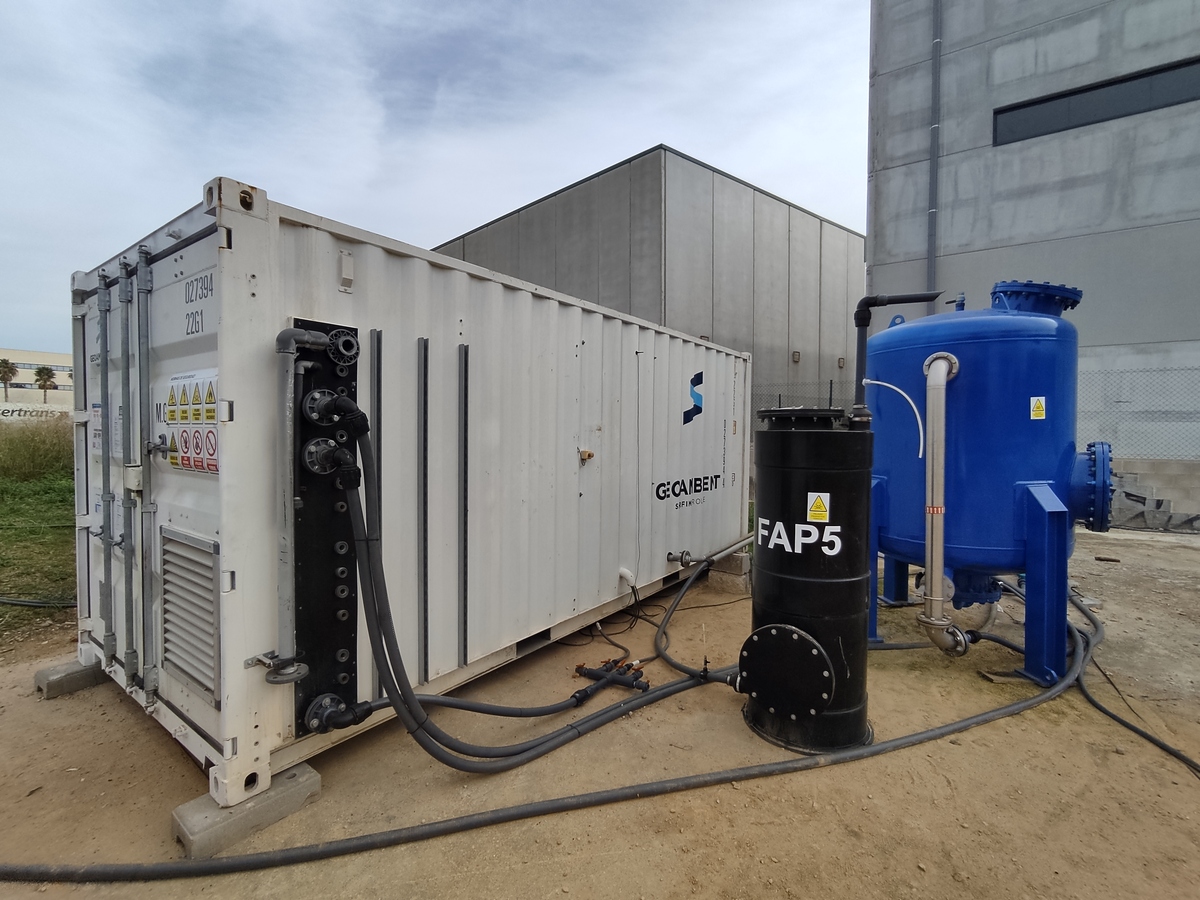
R&D techniques involving hydraulic barrier + MPE + air sparging + biostimulation for the remediation of hydrocarbon solvent contamination at a car body manufacturing plant in Valladolid.
Conceptual Framework This project addresses the decontamination of an area of over 11,000 m², affected by hydrocarbons in both soil and groundwater. To achieve effective remediation, a multi-technique treatment is implemented, combining different decontamination methods to optimize the environmental improvement of the subsurface. Applied Remediation Techniques 1. Multi-Phase Extraction (MPE) under High Vacuum 2. Air Sparging 3. Biostimulation 4. Hydraulic Barriers Contaminant to Treat The main contaminant present in the soil and groundwater is a hydrocarbon solvent. This compound belongs to the hydrocarbon family and is found in different states: This type of contaminant poses a significant environmental risk, affecting water quality and the stability of the underground ecosystem. Final Objective Implement a combined strategy to achieve the effective reduction of contamination, optimizing efficiency and the remediation timeline for the affected subsurface.
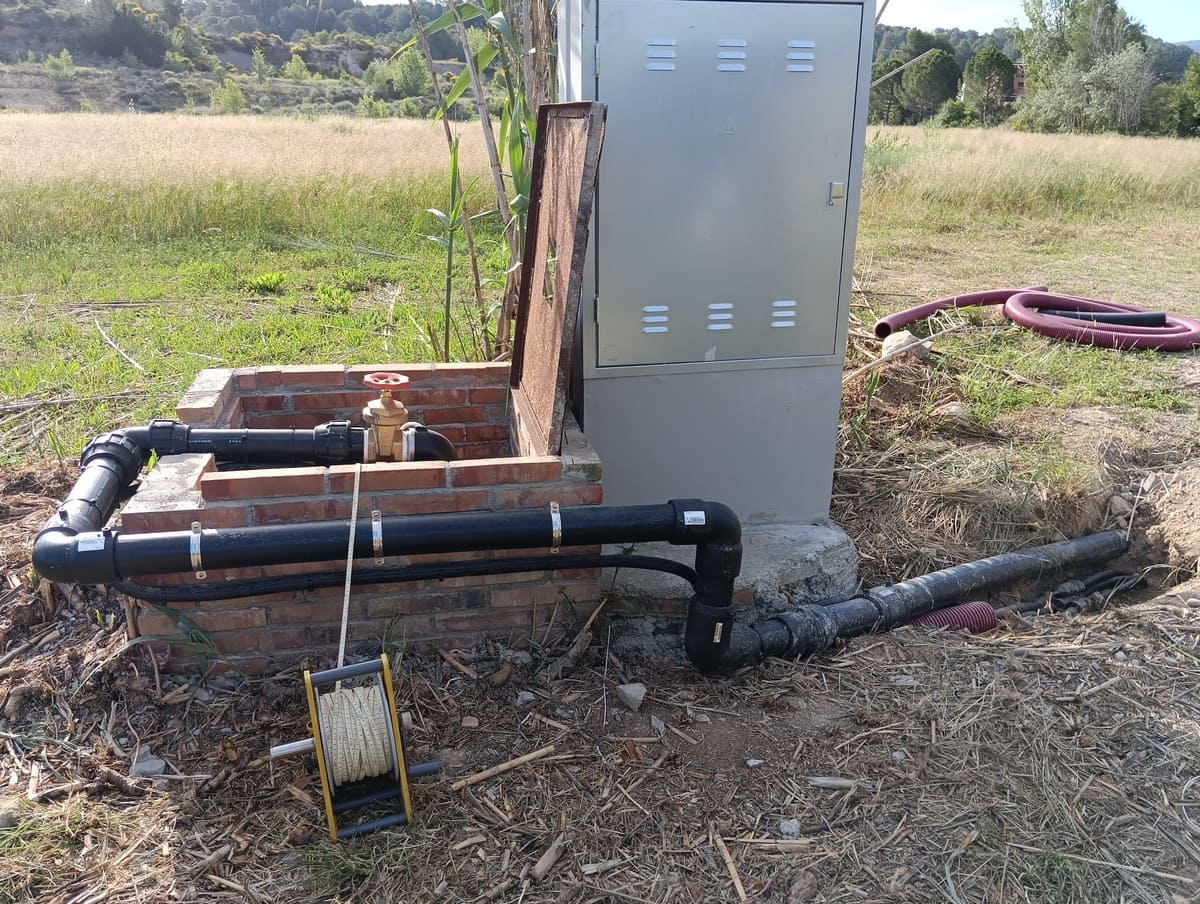
Hydrogeological study for agricultural water supply
Conceptual Framework Hydrogeological study to assess and ensure the water supply to the plant in response to the drop in groundwater level observed in previous years. • Narrow and shallow aquifer • Width ≈ 1 km | Max depth ≈ 20 m • Reduced performance in Well 1 • Evaluation of the extraction potential of Well 2 (unexploited), without interfering with Well 1 Methodology • Installation of groundwater level sensors • Continuous monitoring • Pumping and recovery test in Well 2: ▸ Initial flow: 25 m³/h → well exhaustion ▸ Optimal flow: 7 m³/h for 17 h 43 min • Parallel monitoring of Well 1 → no interference detected Results • Well 2 viable for stable operation: ▸ 7 m³/h up to 20 h/day ▸ Water level stabilized at 10.84 m depth ▸ Full recovery after shutdown
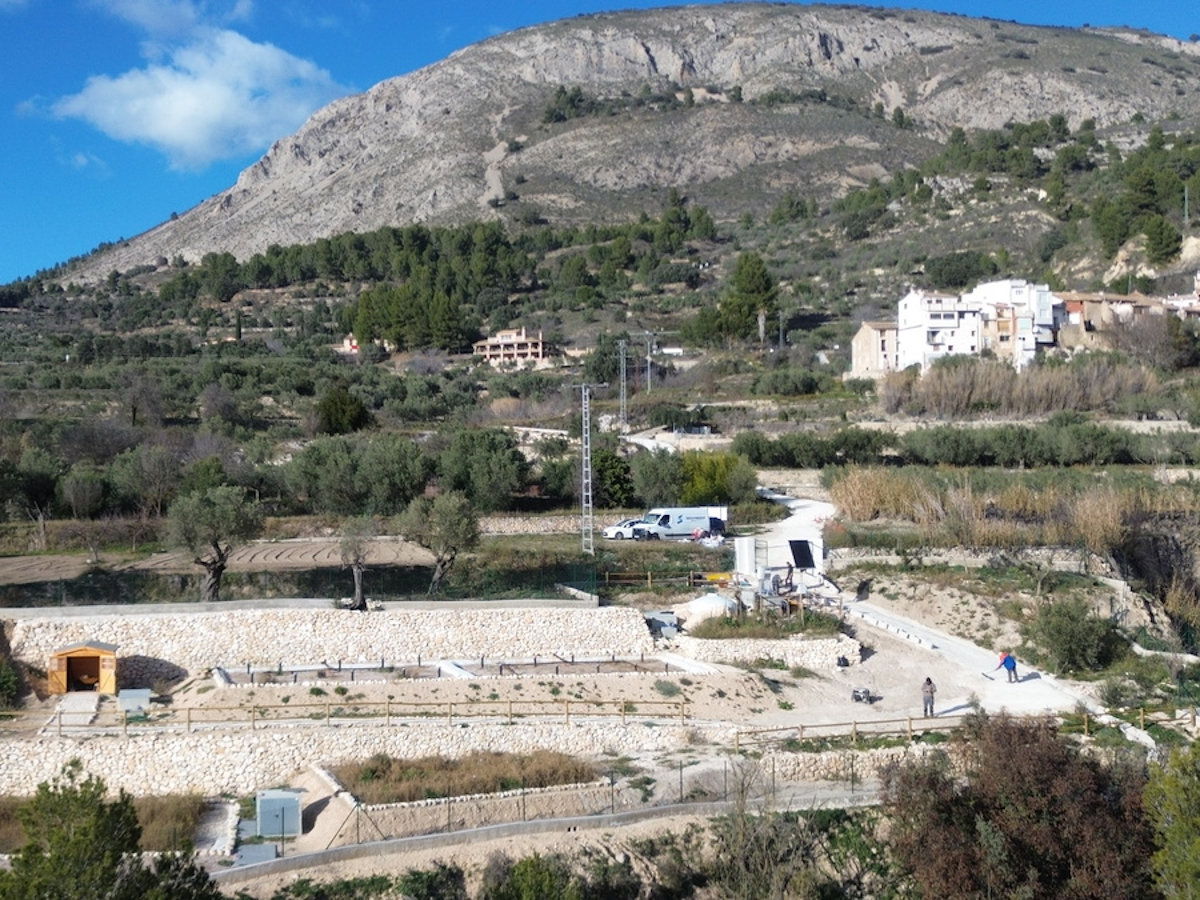
Wastewater treatment plant – Ares del Bosc (Alicante)
Main Objective: Design and execution of a plant for the treatment of urban wastewater, with final discharge into a public watercourse, integrating sustainable and environmentally respectful solutions. Conceptual Framework and Context Treatment System Used Key Results The project successfully combined biological treatment, environmental integration, and energy self-sufficiency.
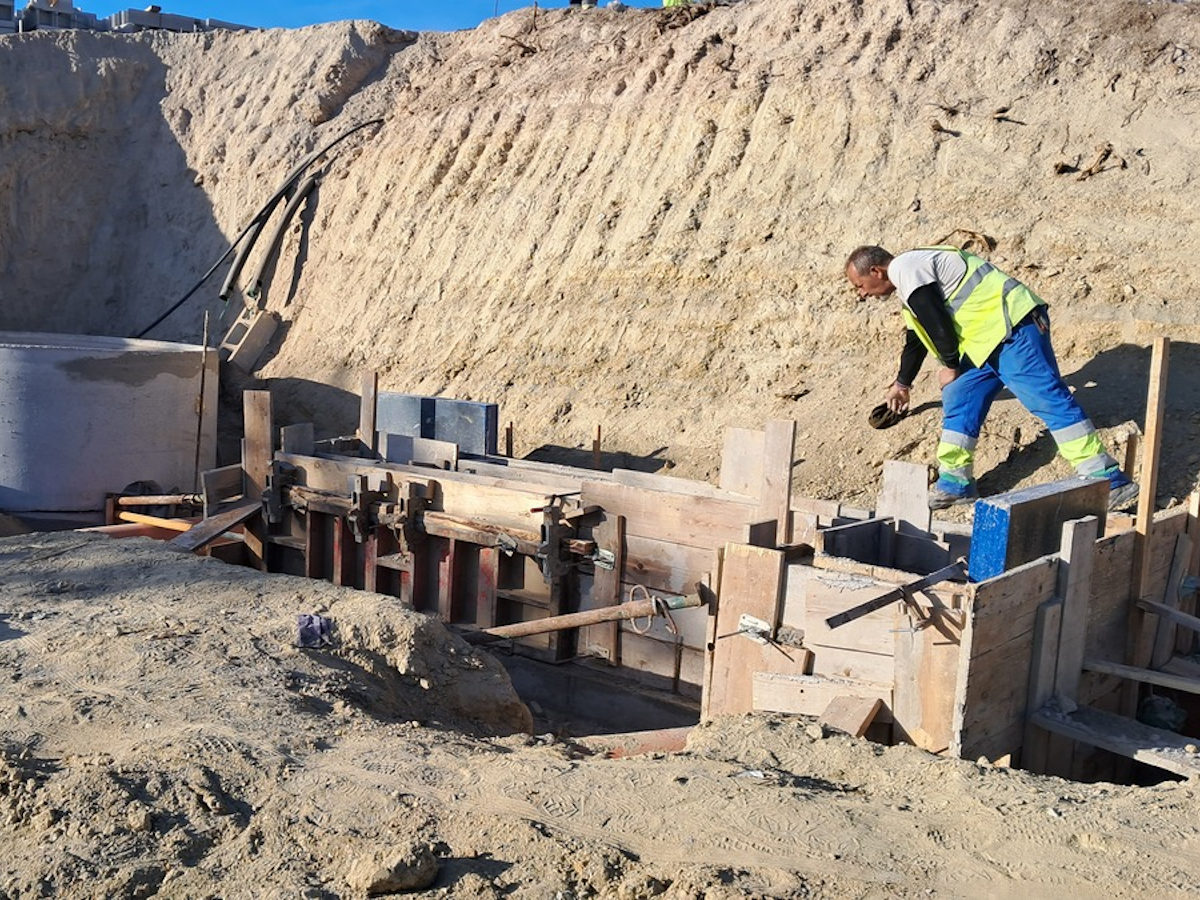
Urban wastewater treatment in Granada
In the municipality of Cúllar, located in the province of Granada, a project has been carried out focused on the treatment of urban wastewater, with the primary goal of ensuring safe discharge into the public watercourse. This project falls within an environmental improvement and rural sanitation strategy and addresses the need to provide the local population with adequate infrastructure for wastewater management. The implemented facility is a wastewater treatment plant (WWTP) designed for an equivalent population of 320 inhabitants (p.e.). Given the topography and the selected site location, it was necessary to incorporate an initial pumping system. However, once this stage is surpassed, the rest of the system operates by gravity, thereby reducing energy requirements during regular plant operation. Urban wastewater contains a range of characteristic pollutants, such as biodegradable organic matter, nutrients (nitrogen and phosphorus), suspended solids, and pathogenic microorganisms. To effectively treat these components, a natural treatment system based on constructed wetlands has been chosen. The treatment line includes an Imhoff tank for primary sedimentation, followed by two successive stages of vertical flow wetlands. It has been designed for a flow rate of 56.62 m³/day. This approach is not only technically effective, but also offers advantages in terms of landscape integration, low maintenance, and sustainability.
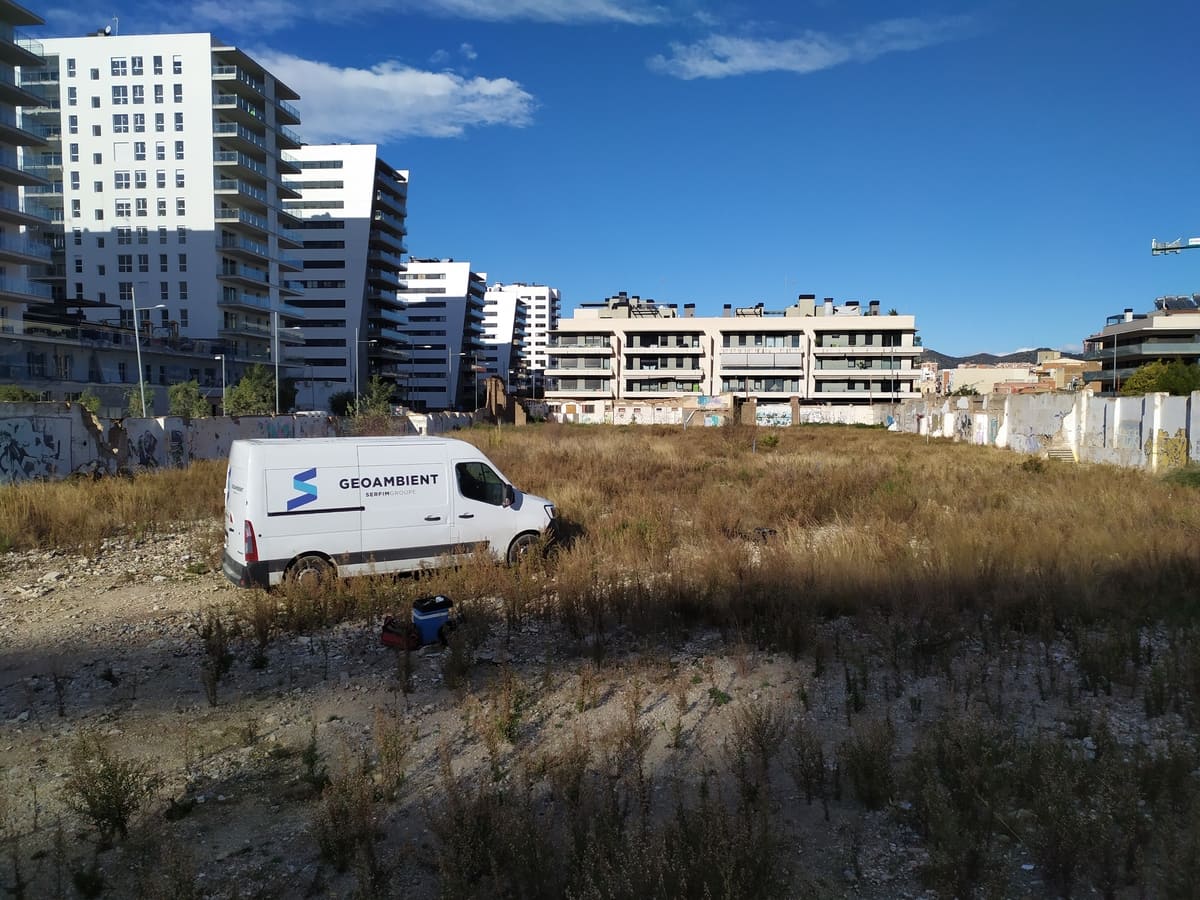
Comprehensive investigation of a former petroleum derivatives industry (Badalona)
Project Type: Comprehensive project for preliminary and detailed investigation, data update on groundwater quality in pre-existing devices on the site, quantitative risk analysis, and a potential remediation project for future urban development. Conceptual Framework: Actions: Potential Remediation Pathways: Pump & Treat system for contaminated water
