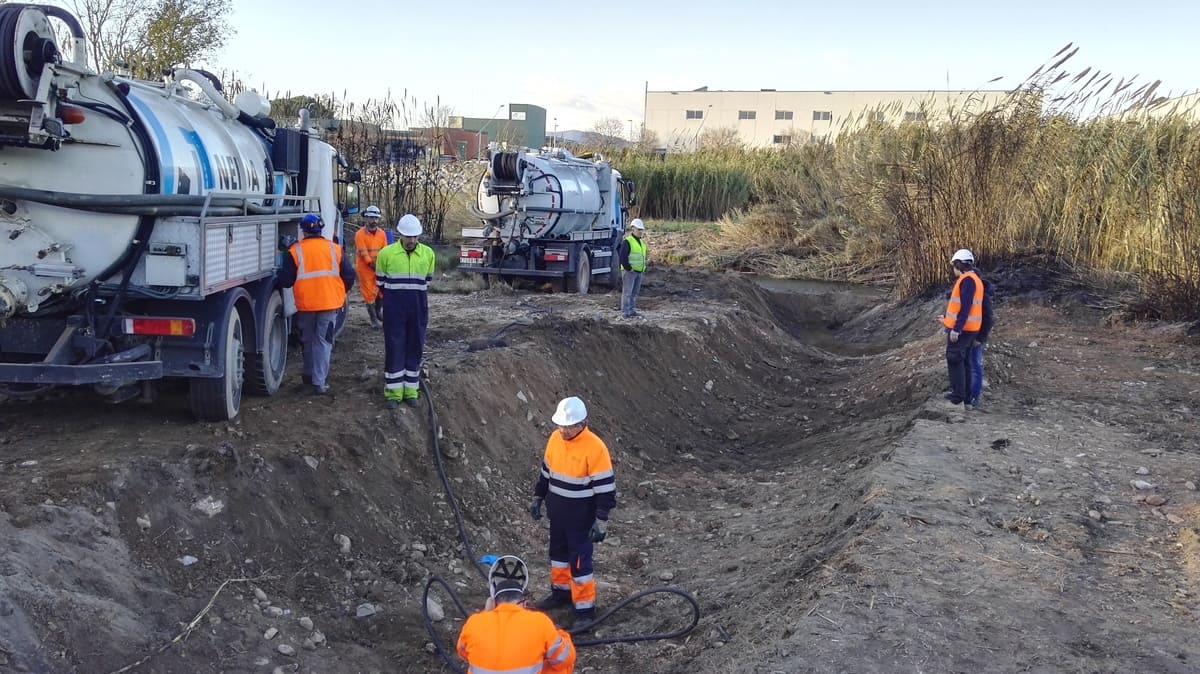
Project type: Remediation of saturated and unsaturated zones contaminated by heavy metals, hydrocarbons, BTEX, CVOCs, and ketones.
Contamination plume in groundwater: 25,000 m²
Affected soil surface area: 1,800 m²
Conceptual framework:
- Industrial site for liquid compound recycling. Pollution caused by a point discharge of stored compounds as a result of a fire. The spilled substances reached the river, surrounding areas, streets, and the aquifer.
- Project duration: 4 years.
Remediation:
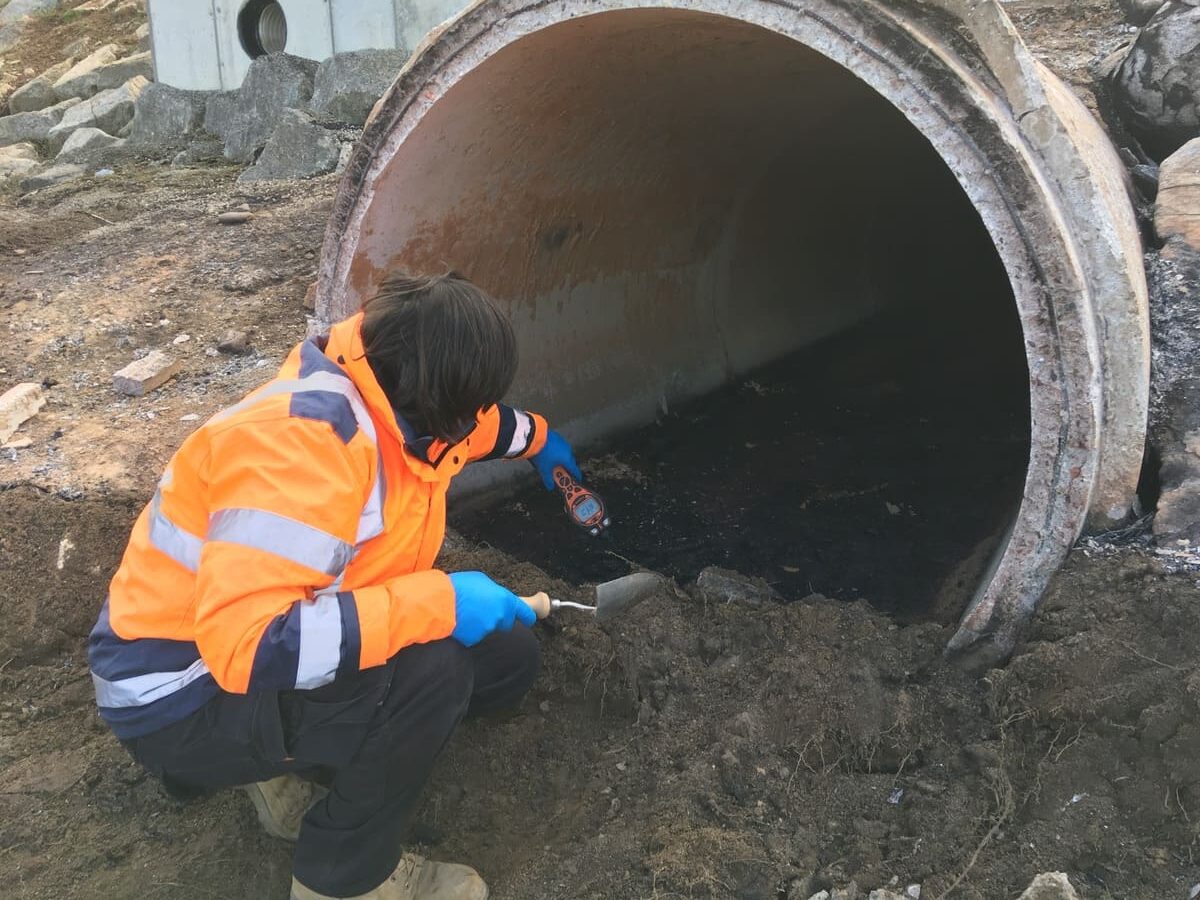
- Preliminary delineation of contamination plume in both soil and groundwater.
- On-site pilot tests to determine the scale of the pumping and soil treatment system.
- Installation of a treatment system with 12 pumping wells.
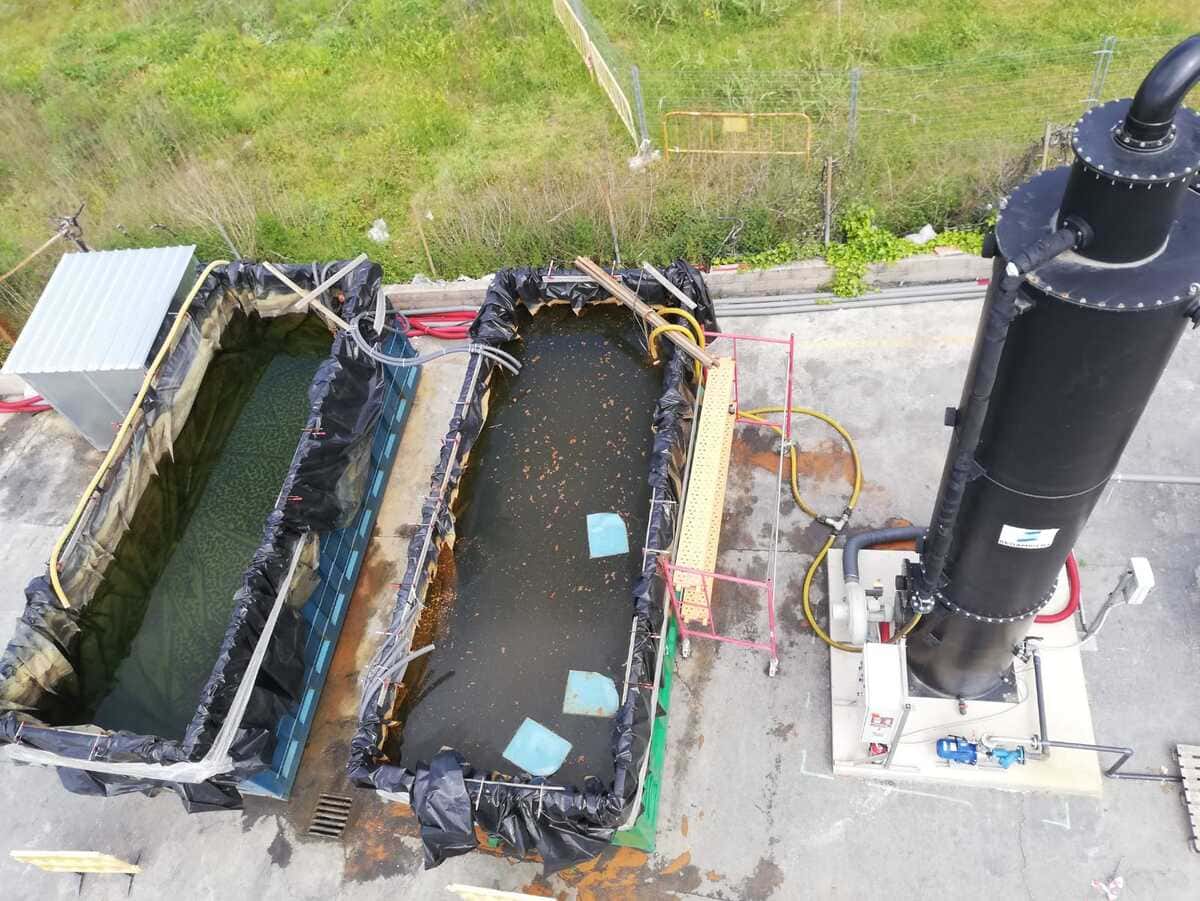
- Soil stockpiles for treatment, aiming to reduce the volume requiring management.
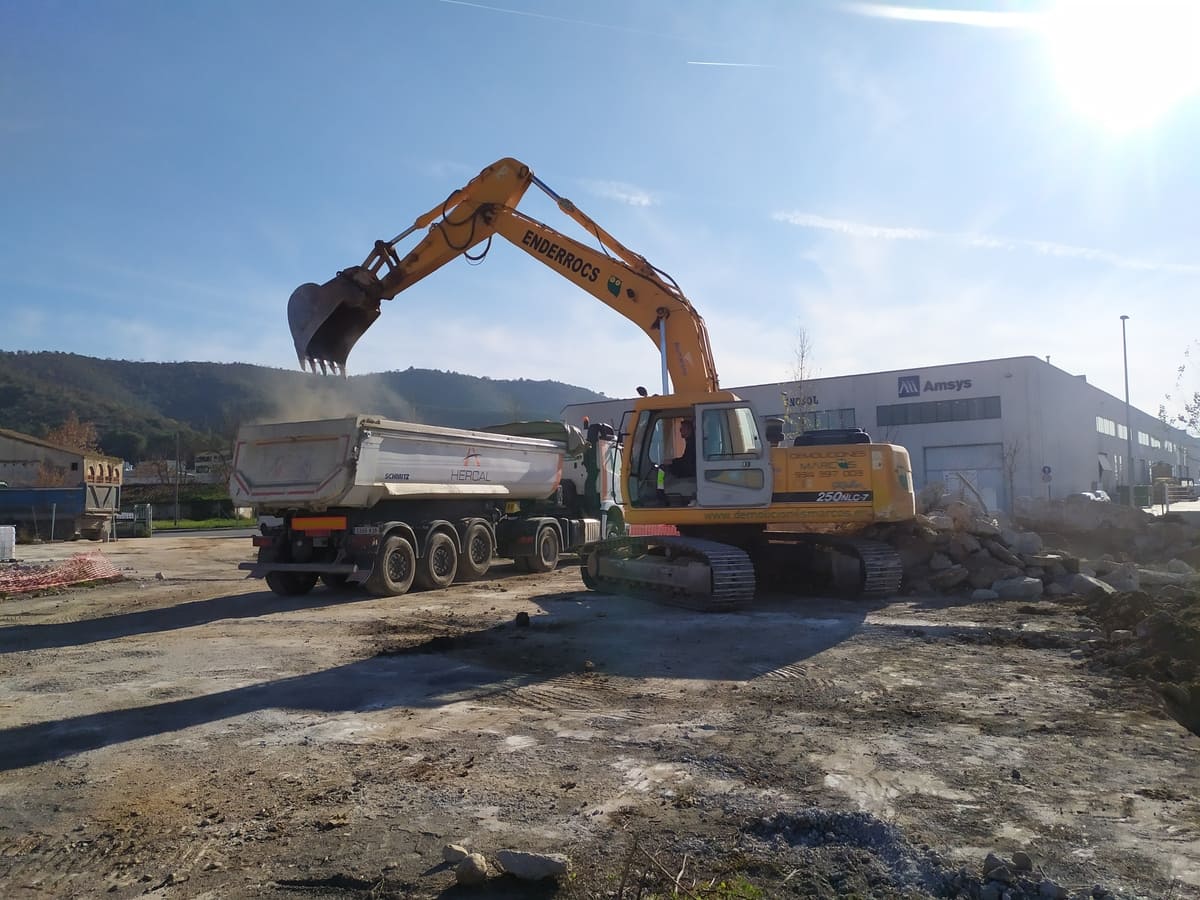
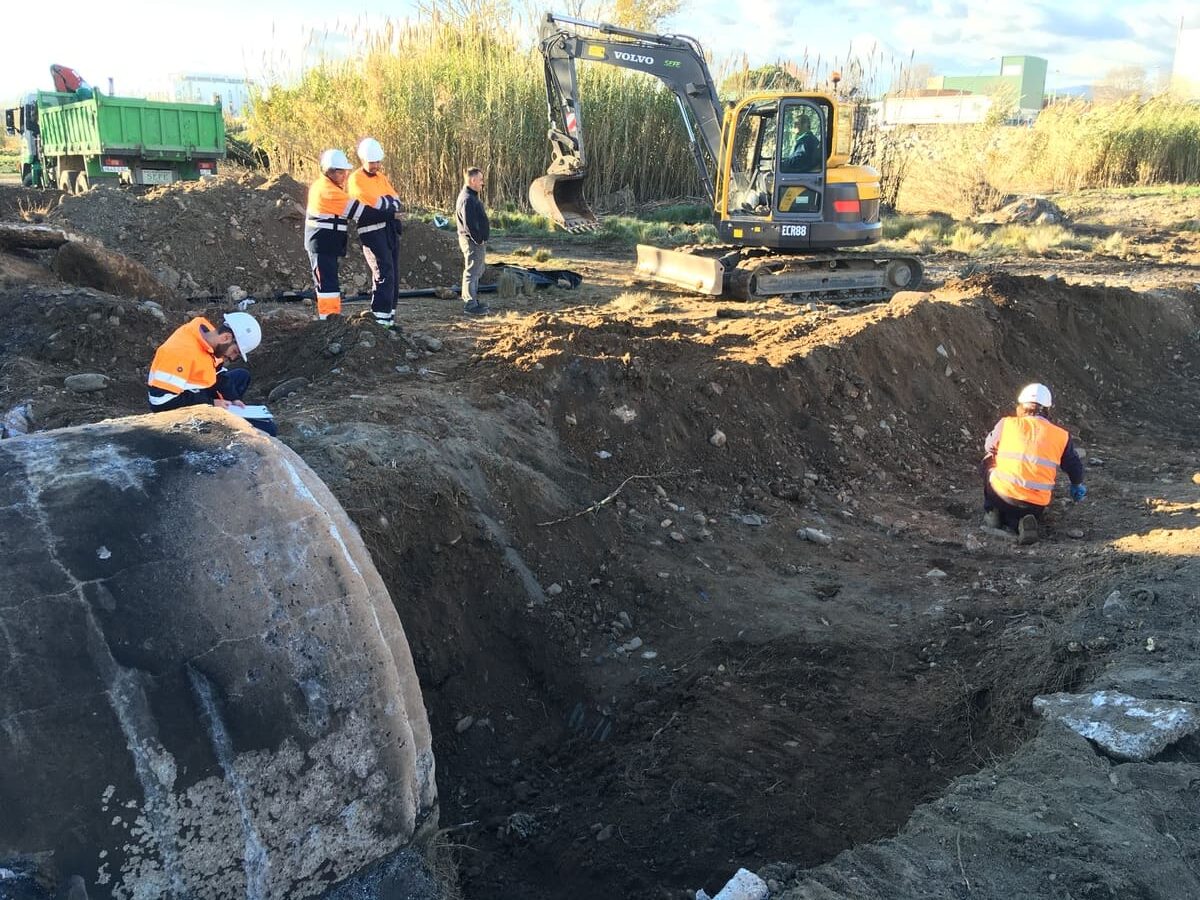
- Excavation and direct management of highly contaminated soils.
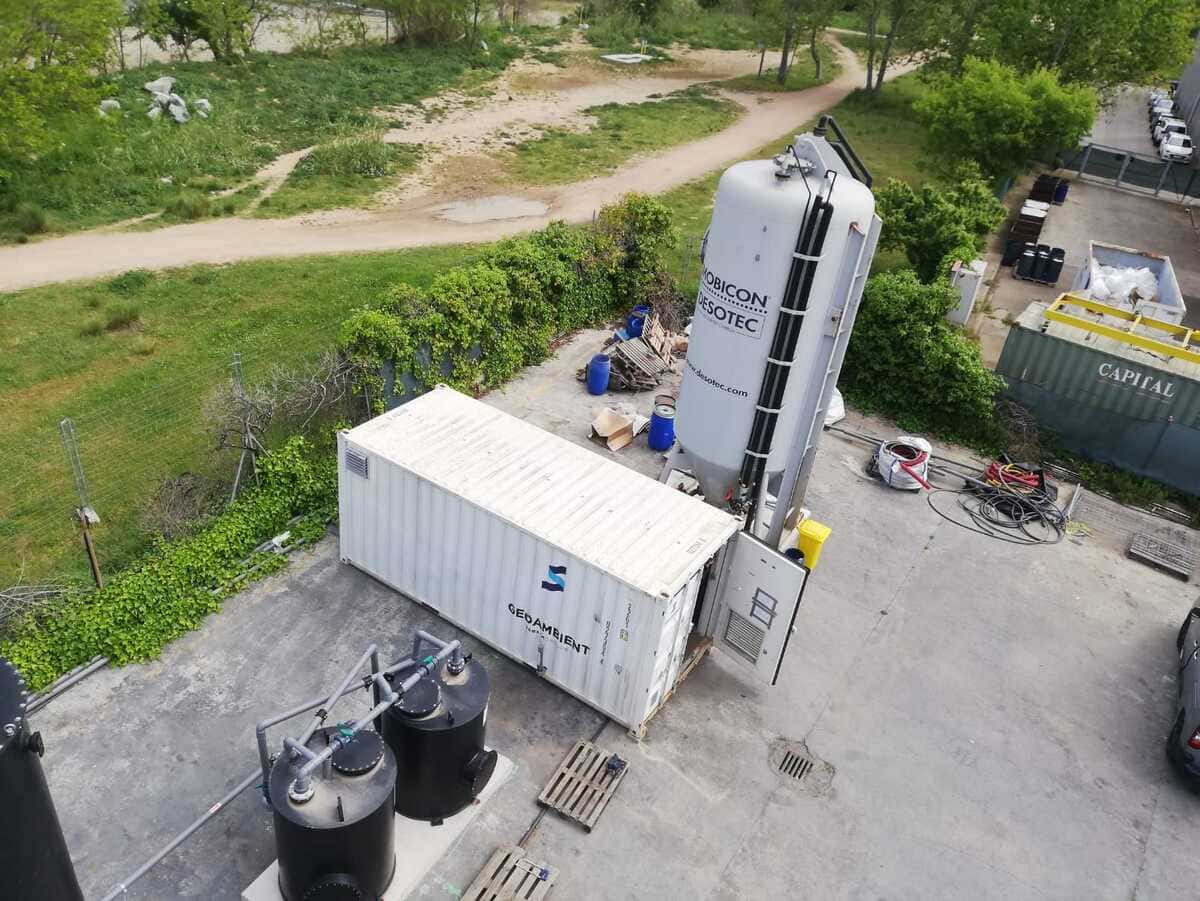
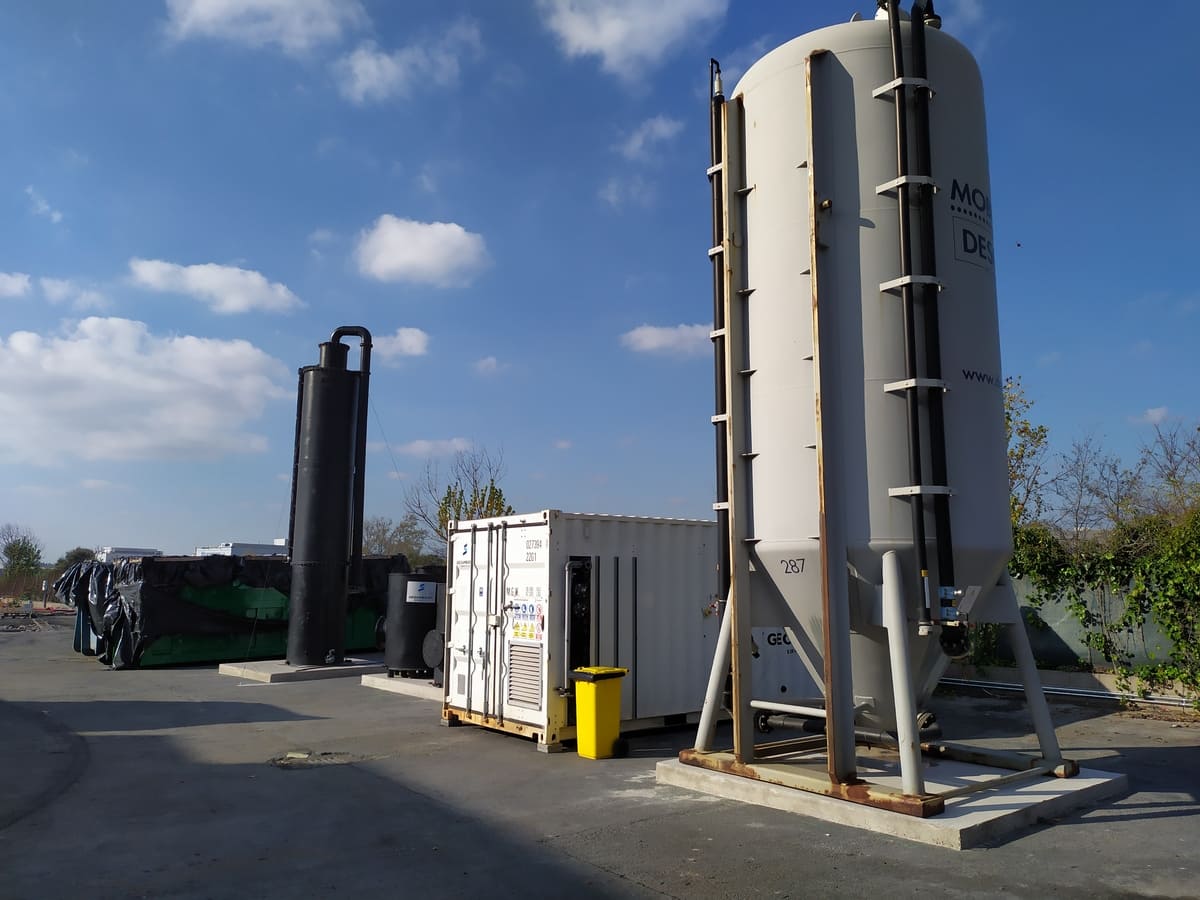
- Treatment system including decantation, phase separation, stripping, and activated carbon.
- Venting/sparging treatment at the contamination source.
Objective:
- Reduction of dissolved compounds to concentrations below the established remediation targets.
- Removal of contaminated soils in the river area.
- Selective excavation in the contamination hotspot.
Data:
- Groundwater plume: 25,000 m²
- Treated water volume: 3,500 m³
- Treated vapor volume: 1,143,300 m³
- Excavated non-hazardous soil: 1,671 T
- Excavated hazardous soil: 106 T
- Treated and reused soil on-site: 400 m³
Emergency actions:
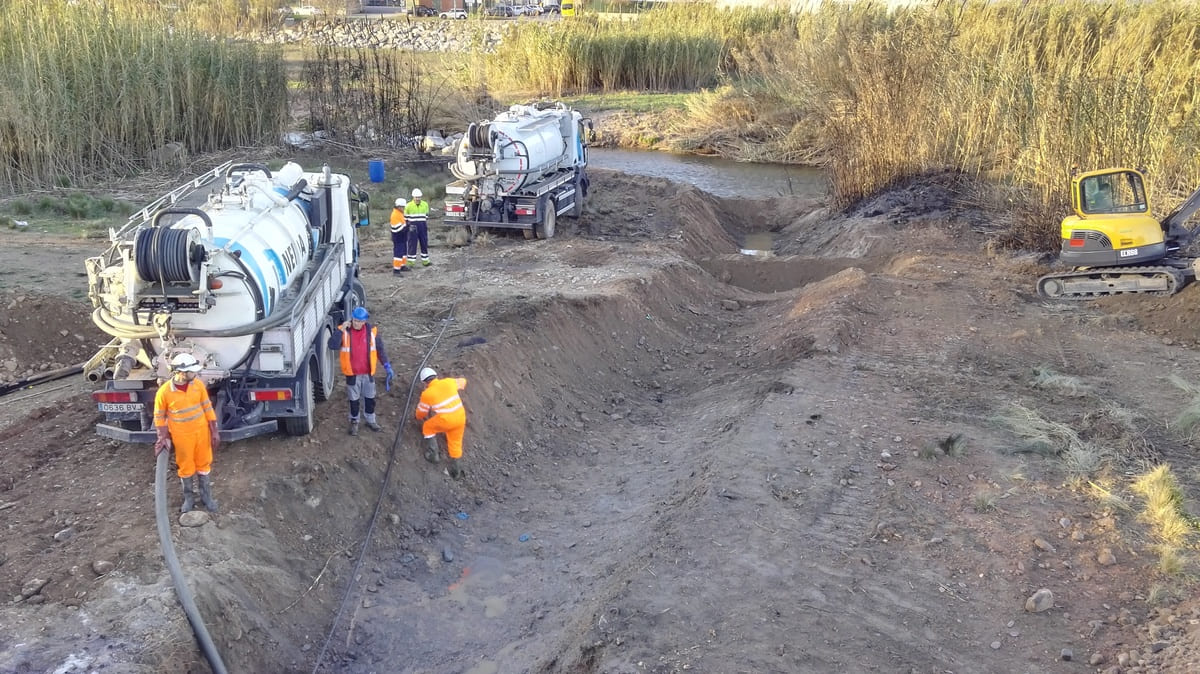
- Delimitation and removal of 250 m³ of contaminated soil in and around the riverbed.
- Soil replacement.
- Replanting of vegetation.
- Installation of a hydraulic barrier for containment.
Groundwater remediation:
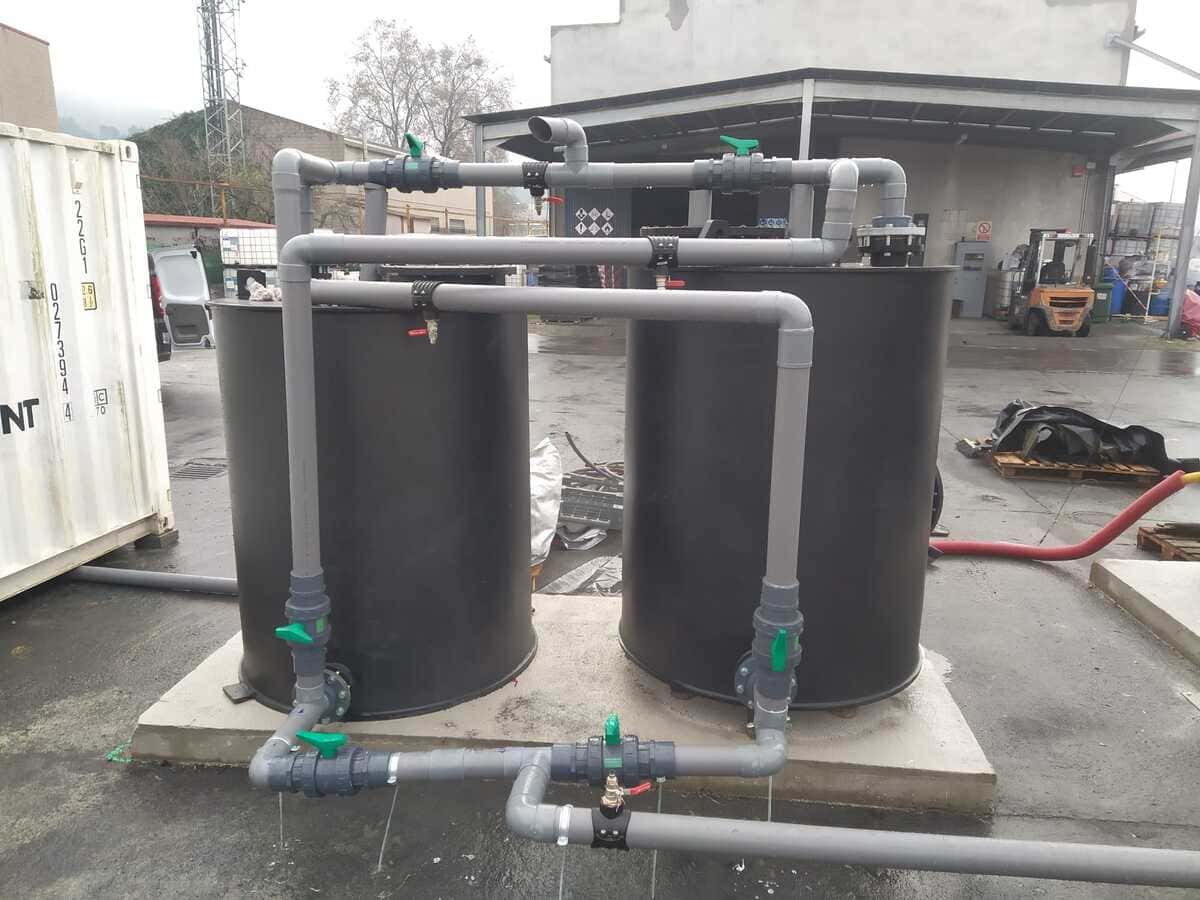
- Water treatment system via pump & treat with 12 pumping wells distributed across the entire plume area, using 3” pumps. Functions as a downstream hydraulic barrier and treatment extraction system.
- Treatment starts with decantation and homogenization in a 30 m³ tank with level sensors to prevent overflow. Transfer pumps feed a stripping tower (capacity 36 m³/h), separating volatile and liquid phases.
- The volatile phase is filtered through air activated carbon filters before atmospheric release.
- The liquid phase passes through a coalescing hydrocarbon separator, then through a 17 m³ water filter containing 8.5 T of activated carbon.
- Finally, treated water is stored in a 30 m³ buffer tank (3-hour retention capacity), monitored by a continuous COD analysers (15-min readings). Discharge is permitted when COD is below the threshold. The system automatically stops and retains the water if limits are exceeded.
Remediation goals achieved after 3 years of treatment.
Soil remediation:
Selective excavation according to disposal route.
For less contaminated soils with reuse potential, vapor extraction is applied using a biopile to eliminate volatile compounds.