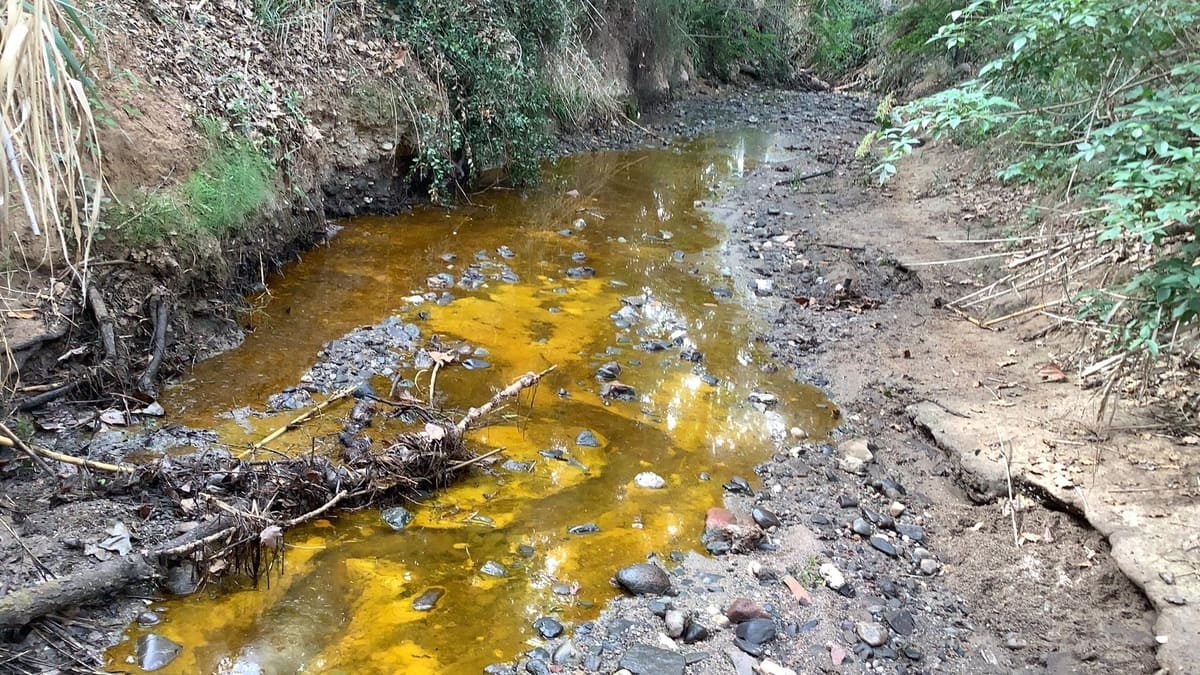
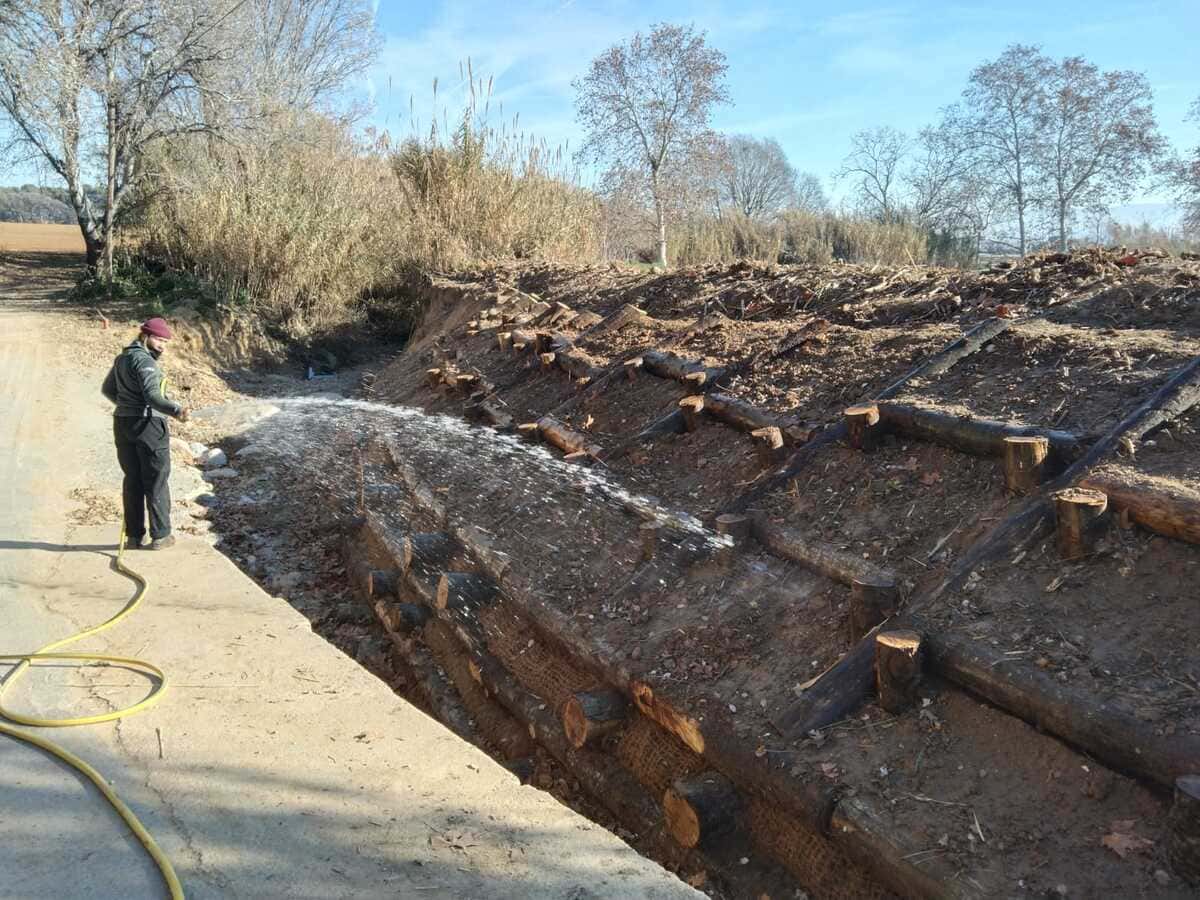
Project type: Emergency response to contain the accidental spill of vegetable oils into a watercourse, followed by the delimitation, characterization, and extraction of residual soils and waters affected by the oils, and environmental restoration to recover their natural state.
Conceptual framework:
- A stream running through various industrial zones and cities over a span of more than 5 km is affected by the accidental spill of vegetable oils from an activity located alongside it.
- Emergency response:
- Containment of the spill through the construction of improvised dams in the channel, combined with absorbent materials.
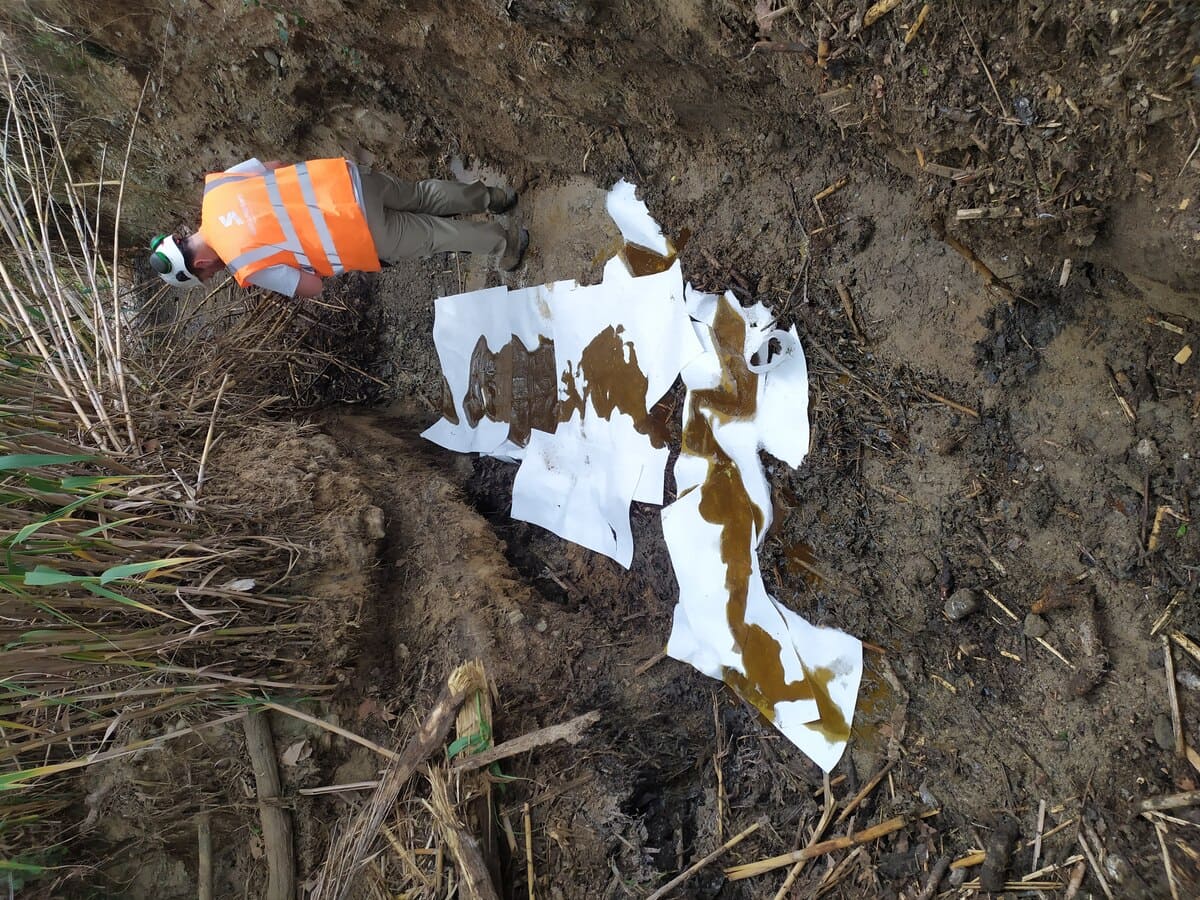
- Subsequent removal of the spill using suction systems and oleophilic absorbents.
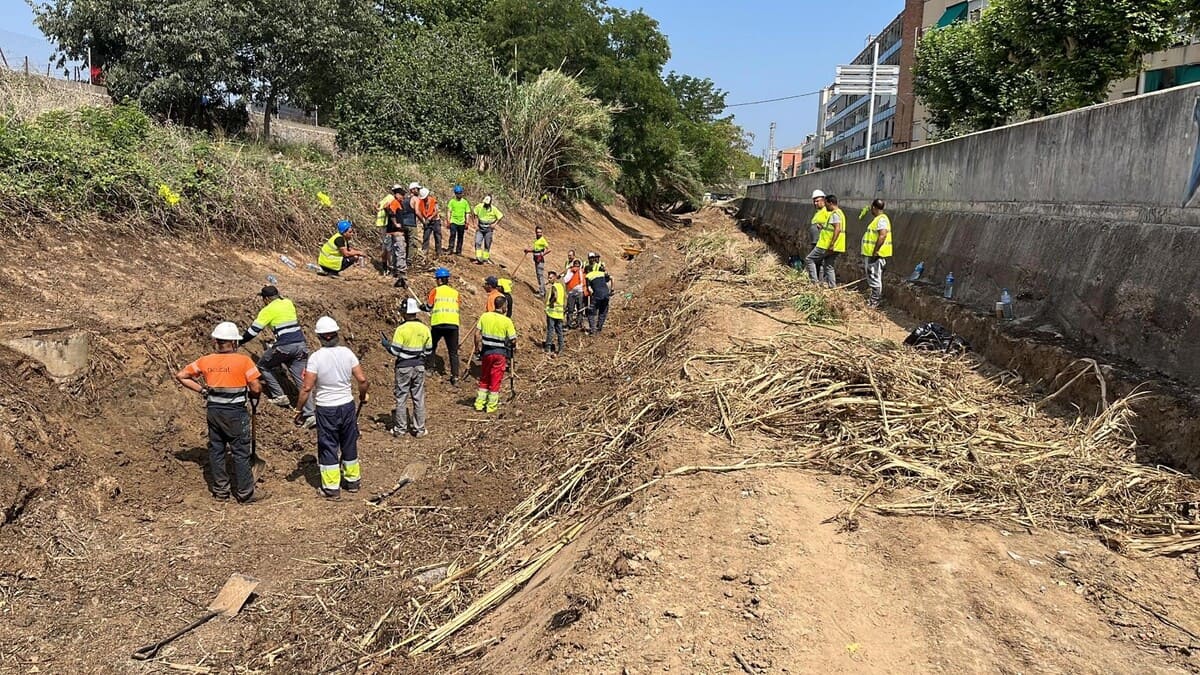
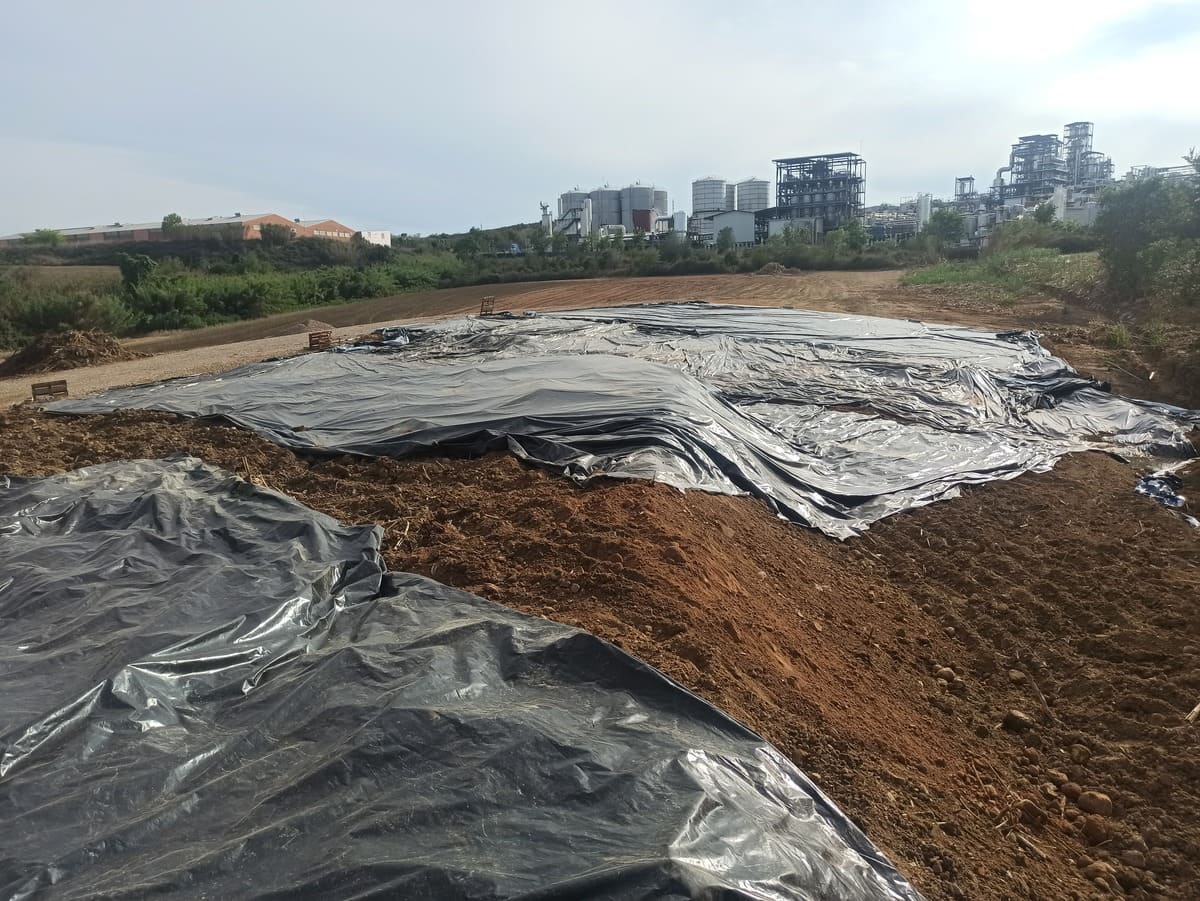
- Delineation, characterization, and extraction of remaining contaminated soils:
- Implementation of a sampling plan and contamination delineation.
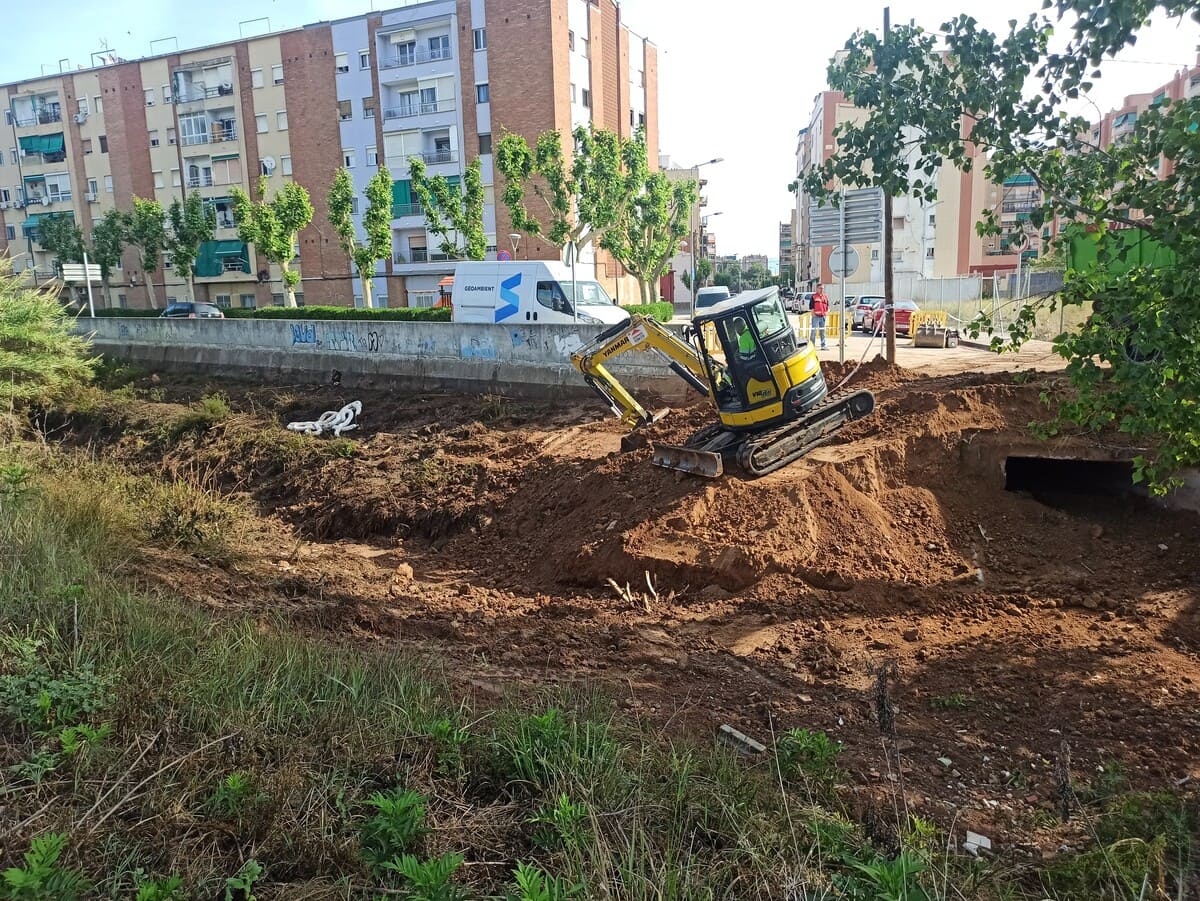
- Manual and mechanical excavation.
- Environmental restoration:
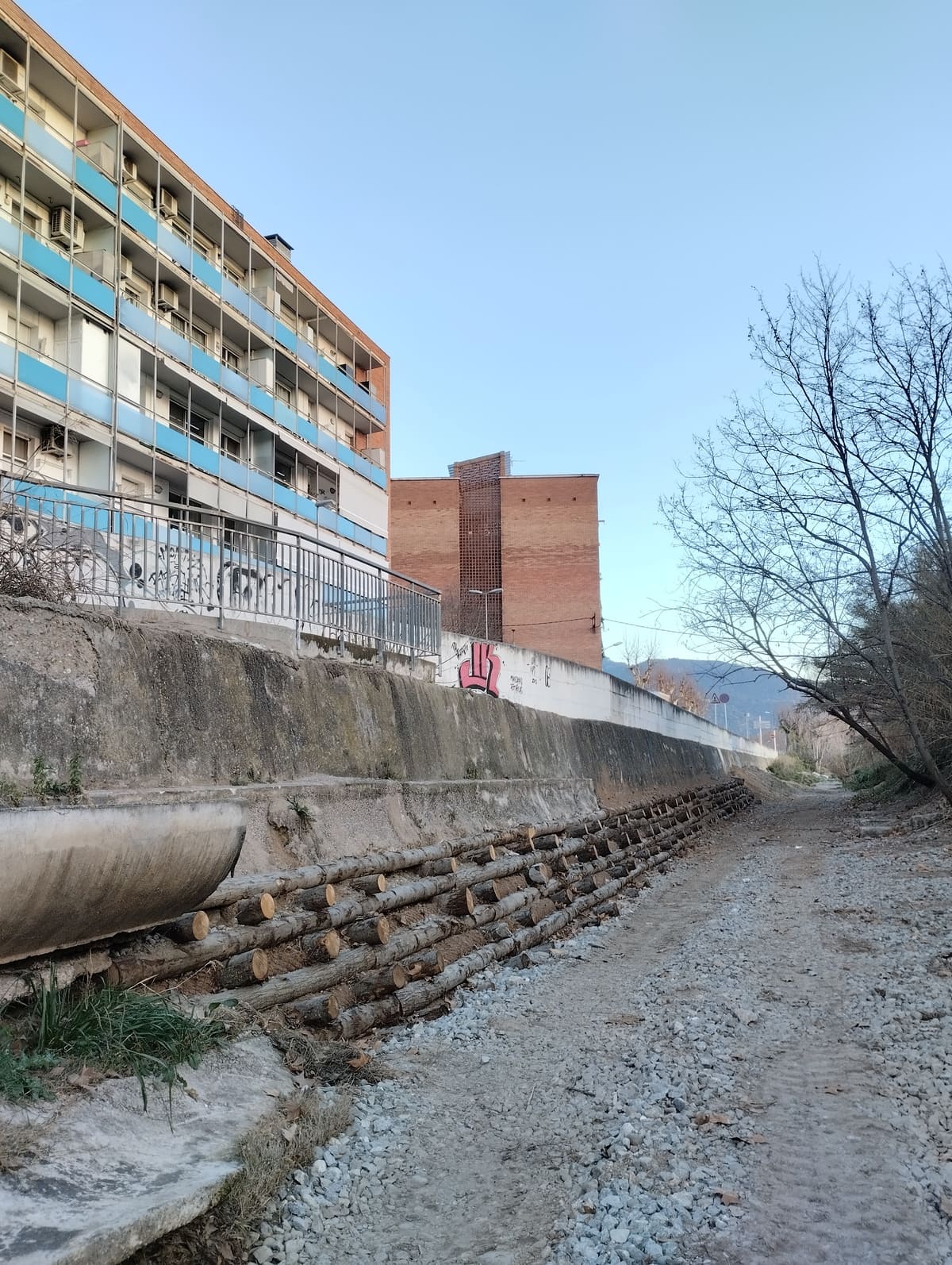
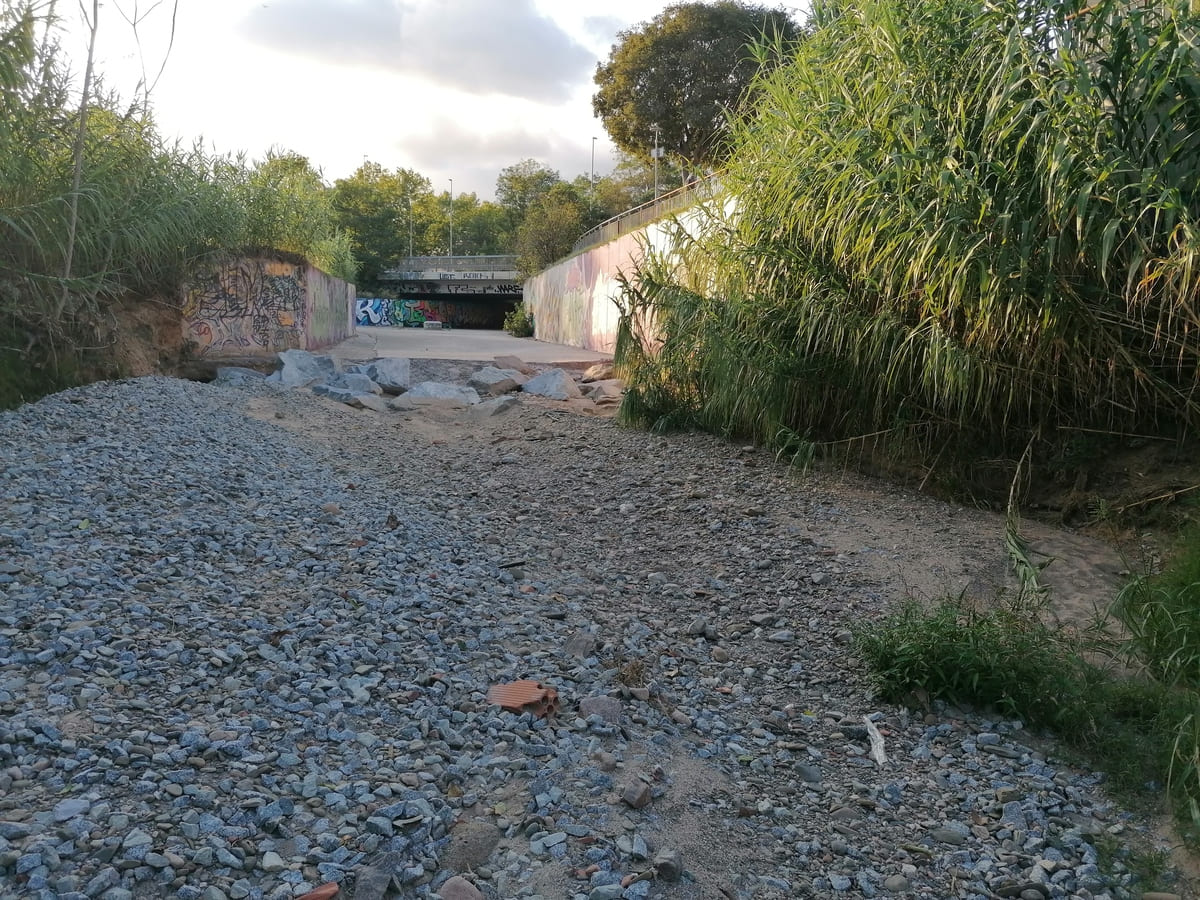
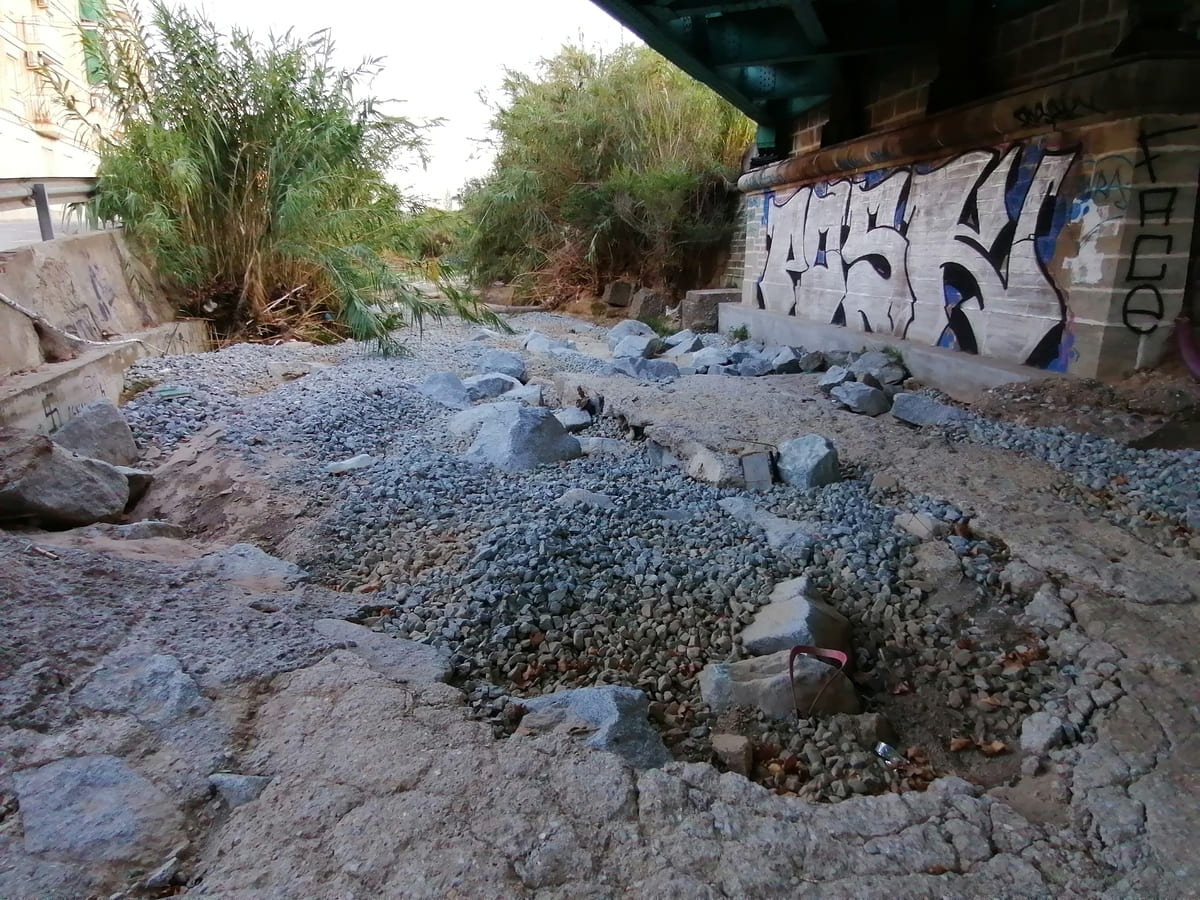
- Reprofiling of the channel and its banks to minimize water erosion.
- Use of bioengineering techniques, such as vegetated slopes and gabions, to reinforce the most vulnerable riverbanks against damage from flash floods.
- Planting of native species to restore biodiversity.
- Application of a treatment to promote the in situ biodegradation of remaining oil traces.
Objective: Restore the natural state of the stream, as it existed prior to human activity, by taking advantage of the emergency response to the vegetable oil spill.
Data:
- Total recovered vegetable oil during the operation: 1,125.74 tons
- Extracted and treated residual soils (by a licensed waste manager): 3,810.84 tons