Innovation is the fundamental pillar of our projects. GeoAmbient develops and applies new technologies to optimize remediation processes, improving control, efficiency, and results. We collaborate with research centers to create techniques that achieve goals unattainable with conventional methods, and we lead the digitalization of fieldwork in our sector.
Before implementing a solution, we validate its viability through treatability tests under controlled conditions. This phase allows us to design remediation systems tailored to each case, with a prior estimation of performance and costs. Our specialized team enables us to provide reliable, rigorous, and customized responses.
As an activity related to decontamination, GeoAmbient is characterized by the application of new technologies that allow greater control of processes, as well as the development and implementation of new decontamination techniques to optimize time and resources.
To verify that the proposed remediation techniques for addressing a specific issue are valid and feasible, traceability and feasibility tests are required.
Laboratory tests, pilot trials, and full-scale development
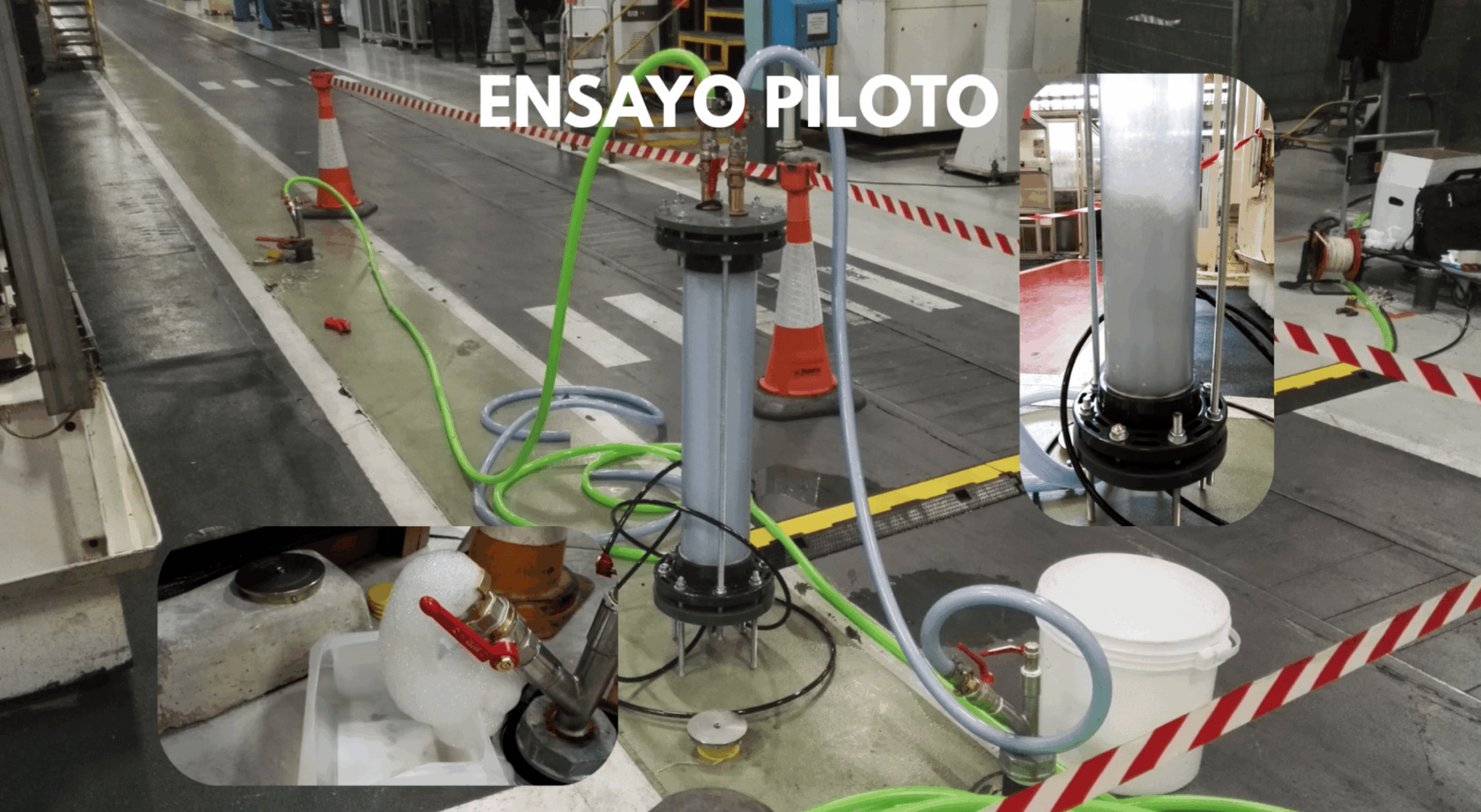
As part of an environmental intervention at an automotive sector factory in Valladolid, a hotspot of volatile organochlorine compounds (VOCs) was identified in the subsurface, leading to the creation of an R&D&I project based on foam injection technology, MOUSSE 3D, aimed at increasing the effectiveness of decontamination.
During the pilot phase, persistence was verified for over three months, with an action radius of 3–4 meters and a permeability reduction by two orders of magnitude. A decrease in VOC transport by a factor of 4.4 was also observed, with the barrier’s integrity maintained even when combined with the high vacuum technique, MPE.
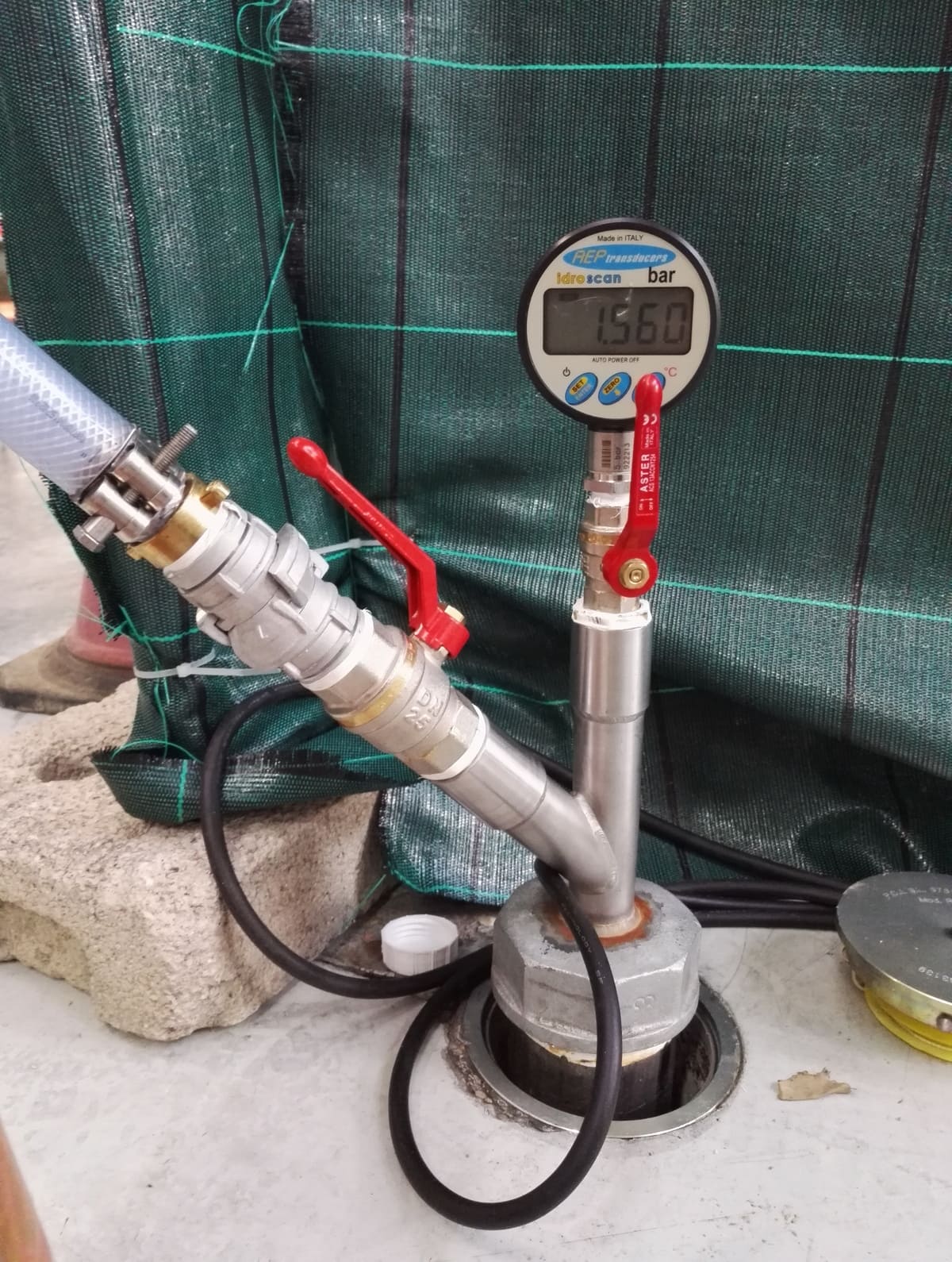
Given the success of the results, the solution was implemented at full scale through the adaptation of a treatment unit. Currently in its fourth cycle, the project has accumulated 19 months of operation over an area of 813 m².
The injection of Mousse 3D has reduced permeability by up to 100 times, eliminated contaminant input to the plume, and achieved over 83% reduction in the hotspot area.