In the municipality of Cúllar, located in the province of Granada, a project has been carried out focused on the treatment of urban wastewater, with the primary goal of ensuring safe discharge into the public watercourse. This project falls within an environmental improvement and rural sanitation strategy and addresses the need to provide the local population with adequate infrastructure for wastewater management.
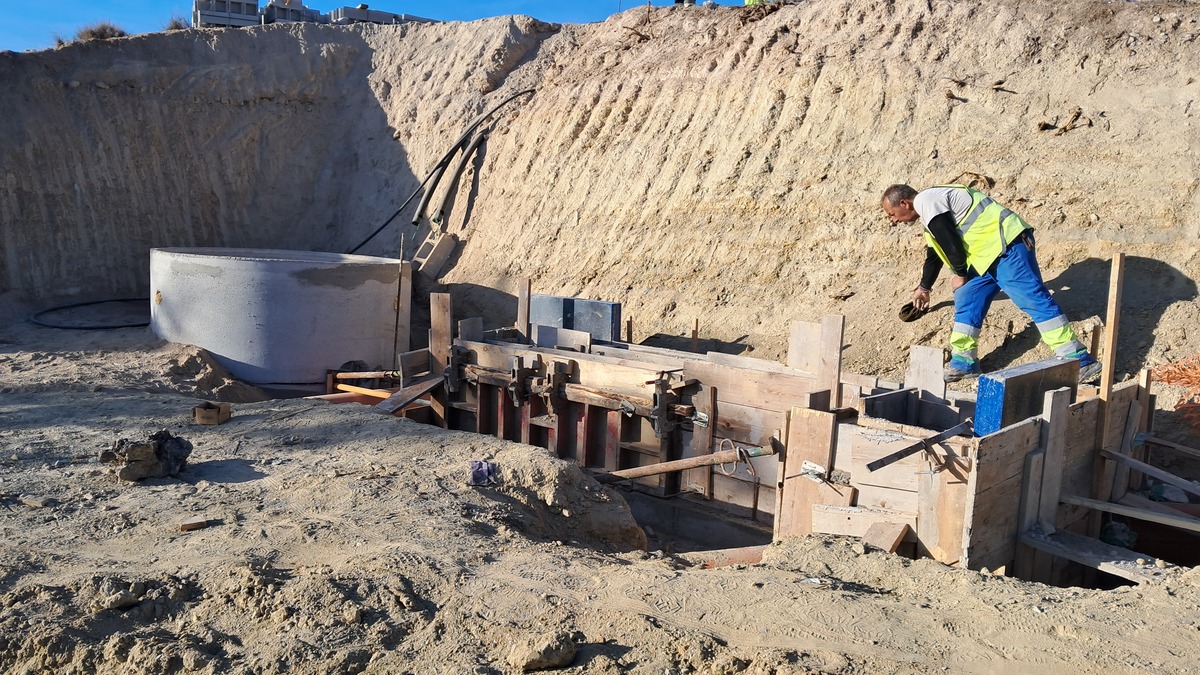
The implemented facility is a wastewater treatment plant (WWTP) designed for an equivalent population of 320 inhabitants (p.e.). Given the topography and the selected site location, it was necessary to incorporate an initial pumping system. However, once this stage is surpassed, the rest of the system operates by gravity, thereby reducing energy requirements during regular plant operation.
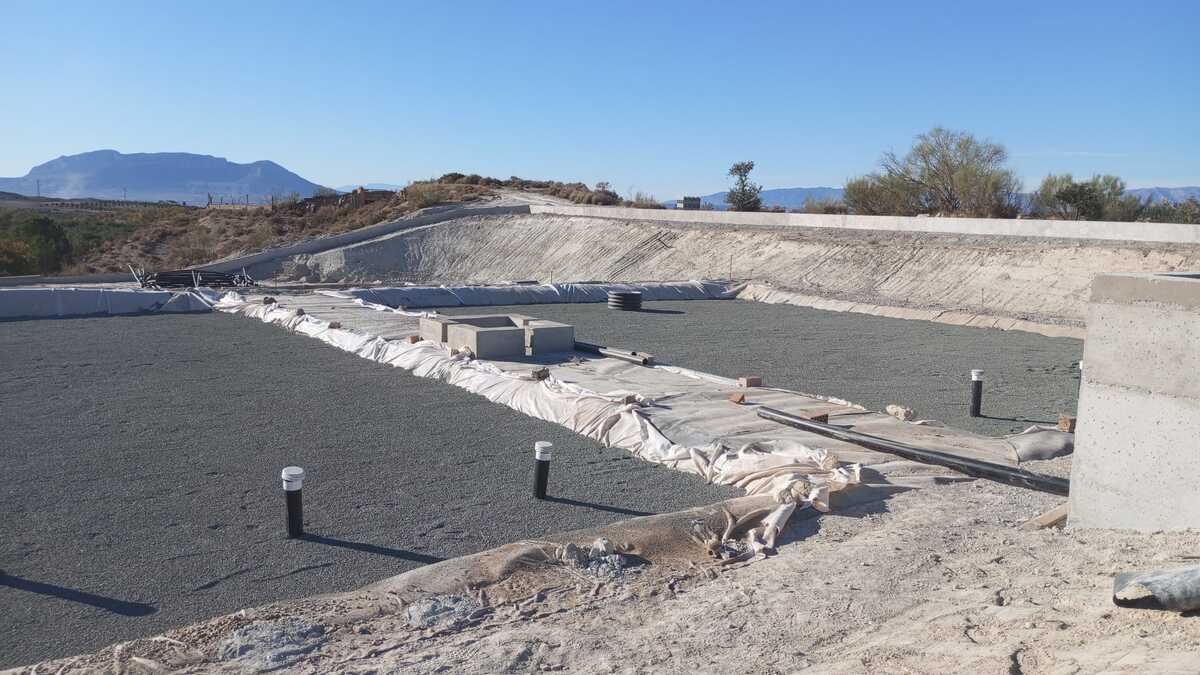
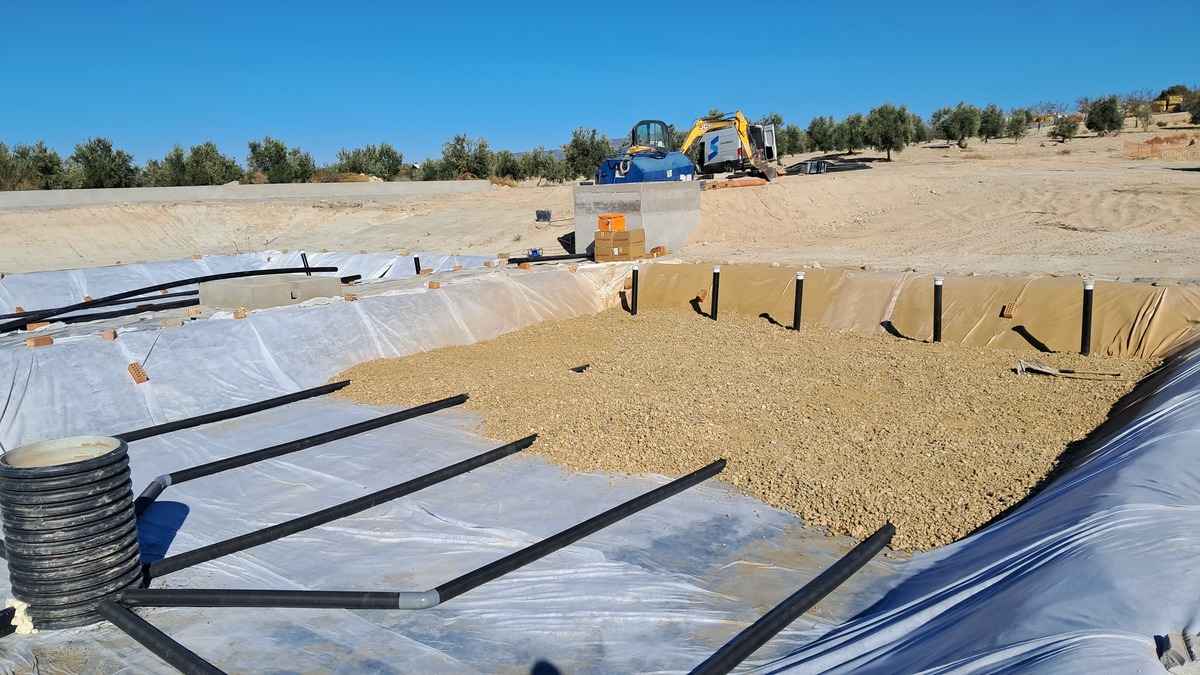
Urban wastewater contains a range of characteristic pollutants, such as biodegradable organic matter, nutrients (nitrogen and phosphorus), suspended solids, and pathogenic microorganisms. To effectively treat these components, a natural treatment system based on constructed wetlands has been chosen. The treatment line includes an Imhoff tank for primary sedimentation, followed by two successive stages of vertical flow wetlands. It has been designed for a flow rate of 56.62 m³/day. This approach is not only technically effective, but also offers advantages in terms of landscape integration, low maintenance, and sustainability.