CONCEPTUAL FRAMEWORK
This project aims to achieve the environmental recovery of the area affected by organochlorine solvents at the Engine Factory. The contamination originates from industrial activities carried out in the 1980s and 1990s, leading to soil and groundwater pollution. The site has a complex hydrogeology with a multilayer aquifer affected in its first two levels. Conventional decontamination techniques have proven ineffective, prompting the development of an R&D project to apply a new technique adapted to the site: MOUSSE 3D.
APPLIED REMEDIATION TECHNIQUES
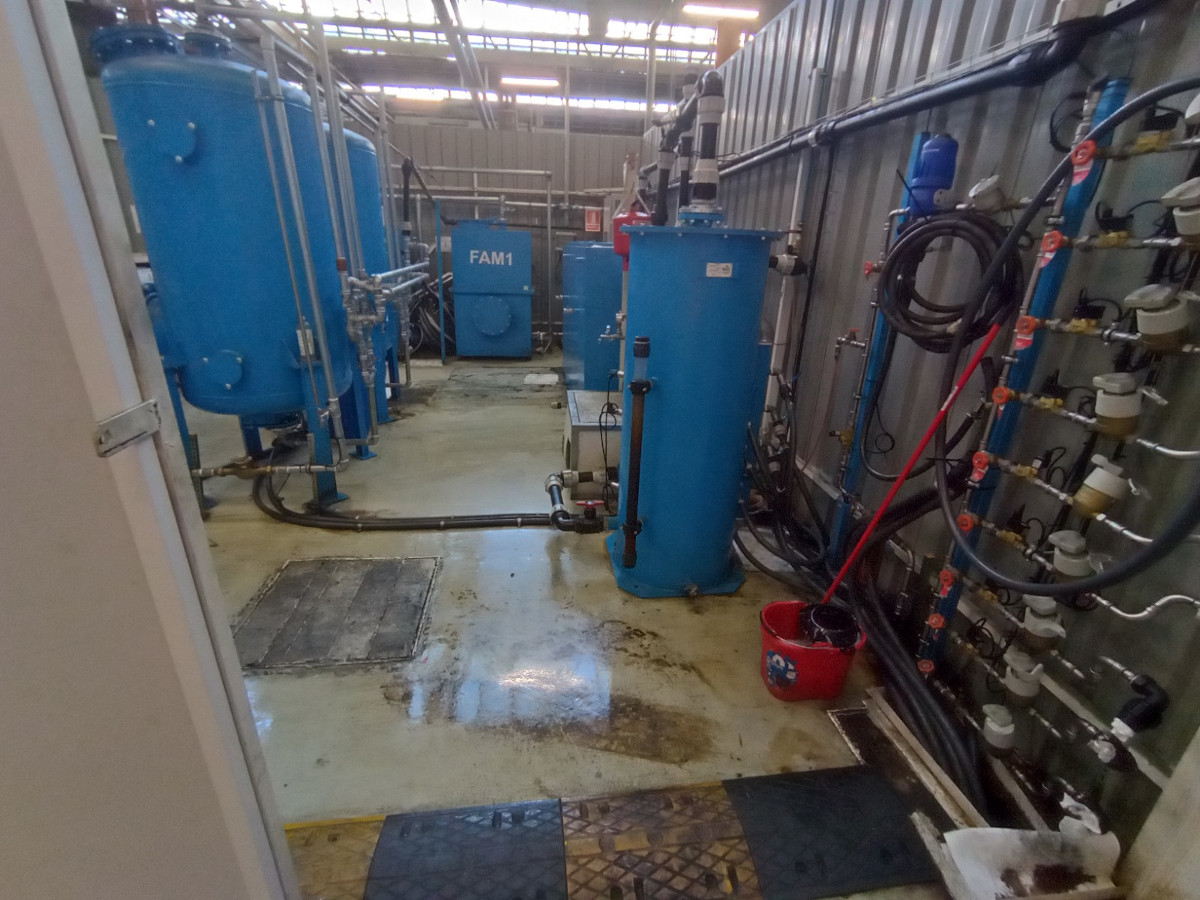
- Multi-Phase Extraction (MPE) – High Vacuum Extraction
- Reduction of contaminant concentrations in the affected area.
- Removal of free phase, volatile compounds, and contaminated water.
- Applied to different subsurface zones:
- Unsaturated zone: aspiration of organochlorine solvents.
- Capillary fringe: removal of retained hydrocarbons.
- Saturated zone: recovery of free and dissolved phases.
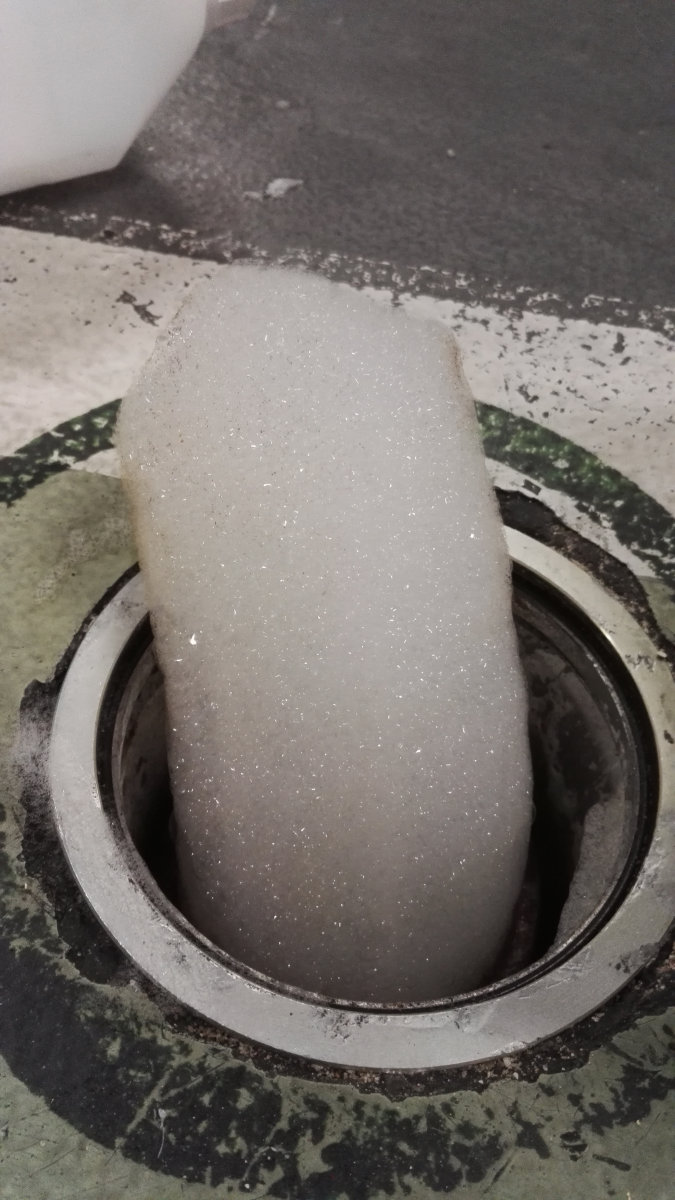
- Reactive Foam Injection (MOUSSE 3D)
- Application of stabilized foam to block contaminant migration and promote its removal.
- Action in different phases:
- Blocking vertical migration and washing contaminants trapped in low and high permeability strata.
- Blocking horizontal migration to contain the expansion of the contaminant plume.
- In Situ Chemical Oxidation
- Application of oxidizing agents to degrade organochlorine solvents in the subsurface.
- Chemical transformation of contaminants for subsequent extraction.
CONTAMINANT TO BE TREATED
The main contaminant present at the site is organochlorine solvents, specifically:
- Trichloroethylene (TCE) → Degradation into Dichloroethylene (DCE) → Final conversion into Vinyl Chloride (VC).
- These compounds are found in dissolved phase in groundwater and in free phase as DNAPL (Dense Non-Aqueous Phase Liquid).
FINAL OBJECTIVE
Develop and implement an effective remediation strategy to:
- Contain contamination migration.
- Gradually reduce concentrations of organochlorine solvents.
Optimize treatment time and efficiency to achieve environmental recovery of the site.